
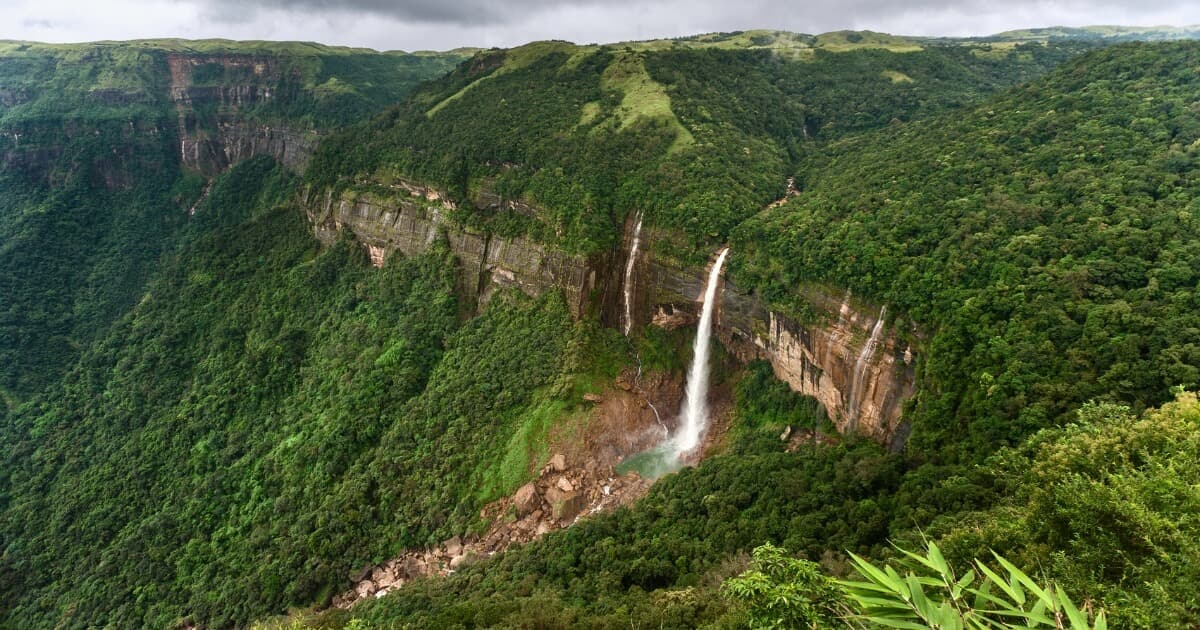
Meghalaya
Wander into Meghalaya, where clouds settle into valleys and rivers run so clear they seem suspended in air. Our Meghalaya tour packages carry you through misty Shillong streets, the rain-soaked cliffs of Cherrapunji, and…
There is a moment on the drive up to Tawang — somewhere past Sela Pass, at 13,700 feet, where the road narrows to a ribbon and the clouds sit below you — when it becomes obvious that North East India is not simply another region of the country. It is a different India altogether.
Wander into Meghalaya, where clouds settle into valleys and rivers run so clear they seem suspended in air. Our Meghalaya tour packages carry you through misty Shillong streets, the rain-soaked cliffs of Cherrapunji, and…
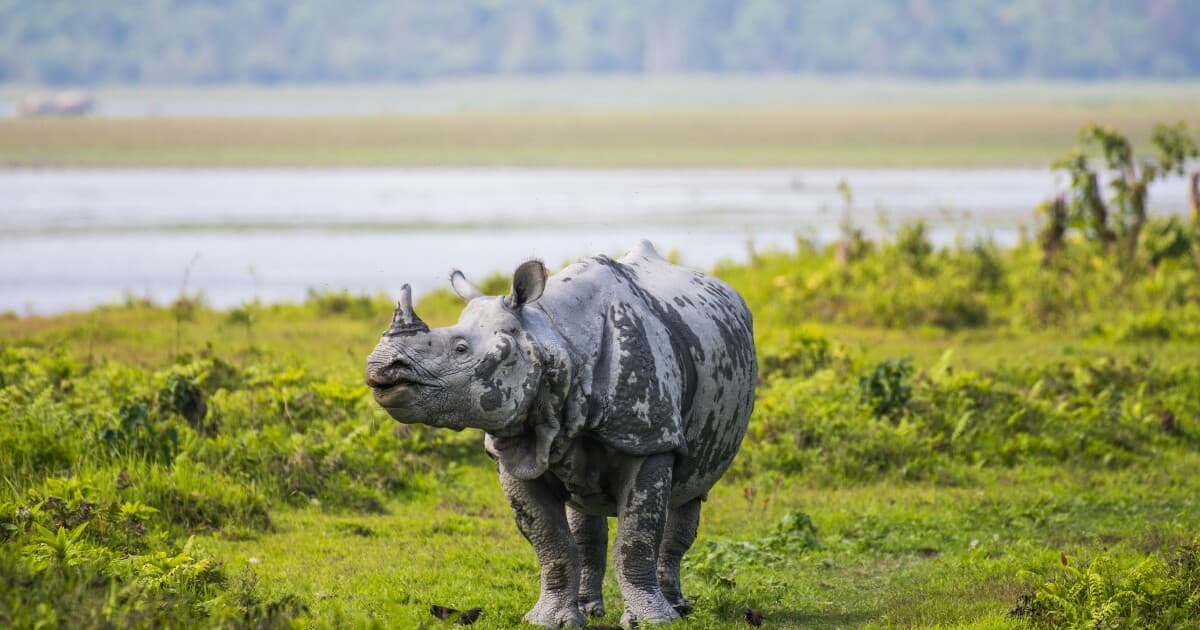
Discover the best Assam tour packages, thoughtfully designed for wildlife lovers, pilgrims, and cultural explorers alike. Explore top places to visit in Assam, from the rhino-rich grasslands of Kaziranga National Park to the sacred…
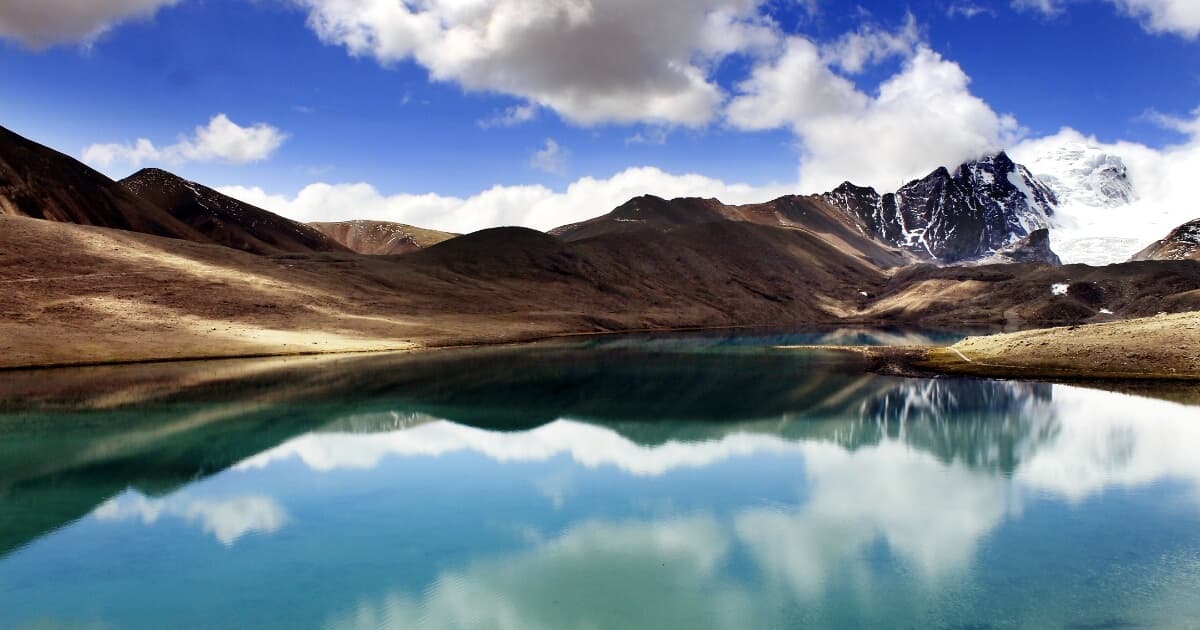
Step into Sikkim, a Himalayan kingdom where snow-capped Kanchenjunga watches over fluttering prayer flags, hidden monasteries, and glacial lakes touched by silence. Our Sikkim tour packages guide you through Gangtok's mountain charm, the high-altitude…
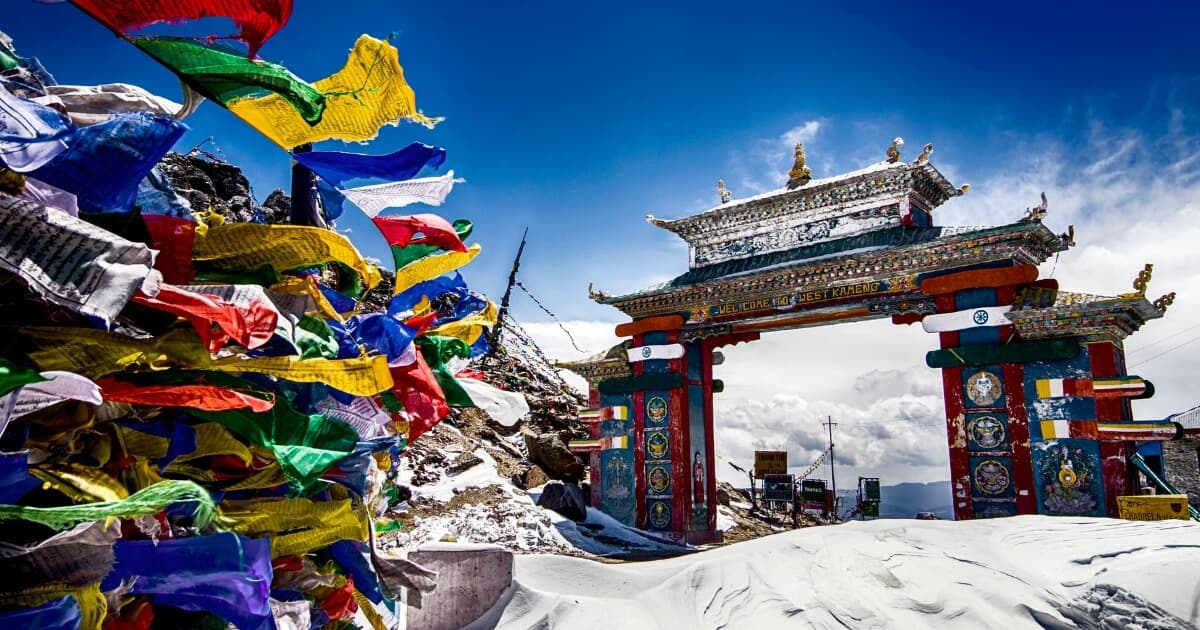
Venture into Arunachal Pradesh, the "Land of the Dawn-Lit Mountains," where remote valleys, ancient monasteries, and untouched tribal cultures wait beyond every hairpin bend. Our Arunachal Pradesh tour packages guide you through the monastic…
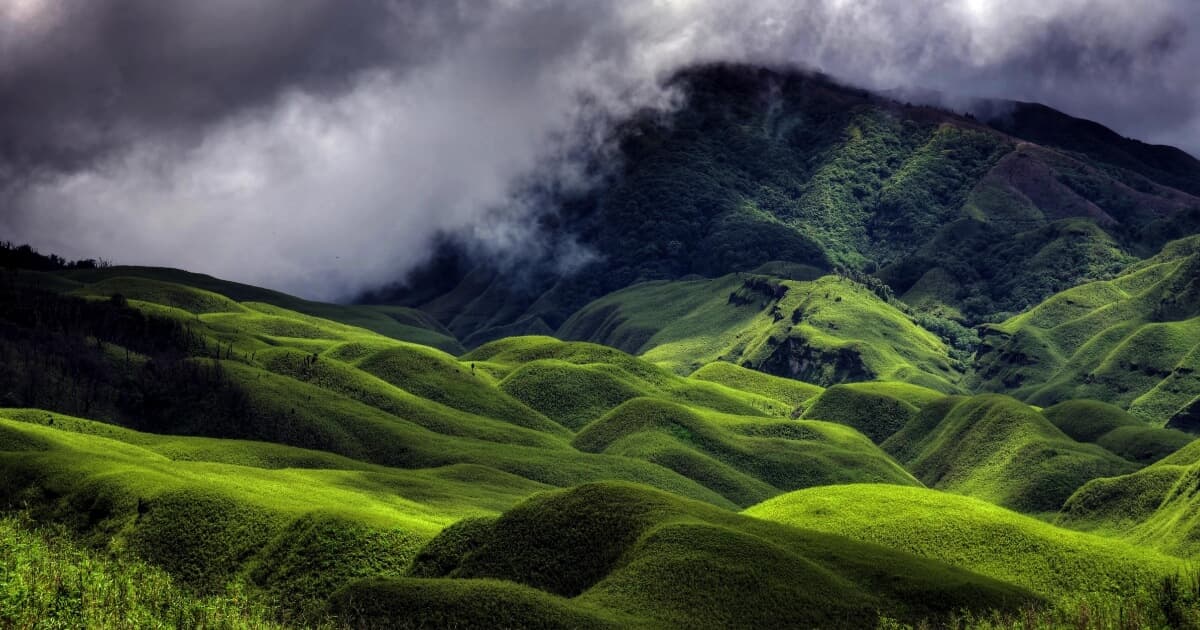
Enter Nagaland, a land of warrior tribes, war-drum rhythms, and hills that turn electric each December during the Hornbill Festival. Our Nagaland tour packages carry you through Kohima's poignant war cemeteries, the surreal green…
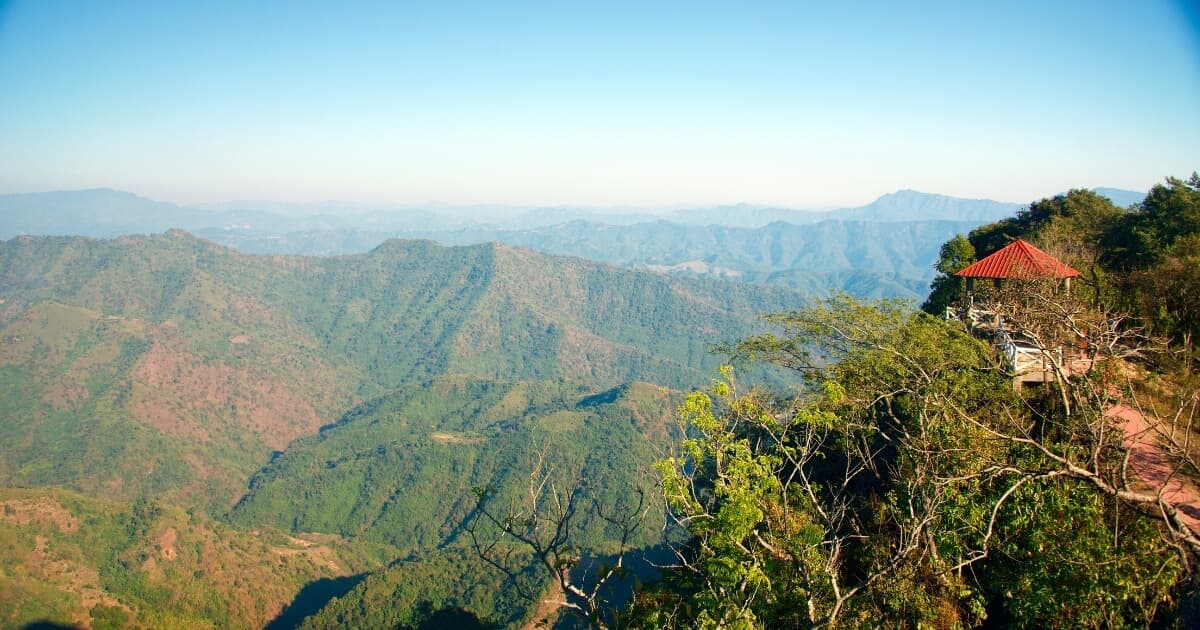
Discover Mizoram, a gentle land of rolling green hills, bamboo forests, and a warmth locals call Tlawmngaihna — the spirit of hospitality woven into everyday life. Our Mizoram tour packages guide you through Aizawl's…
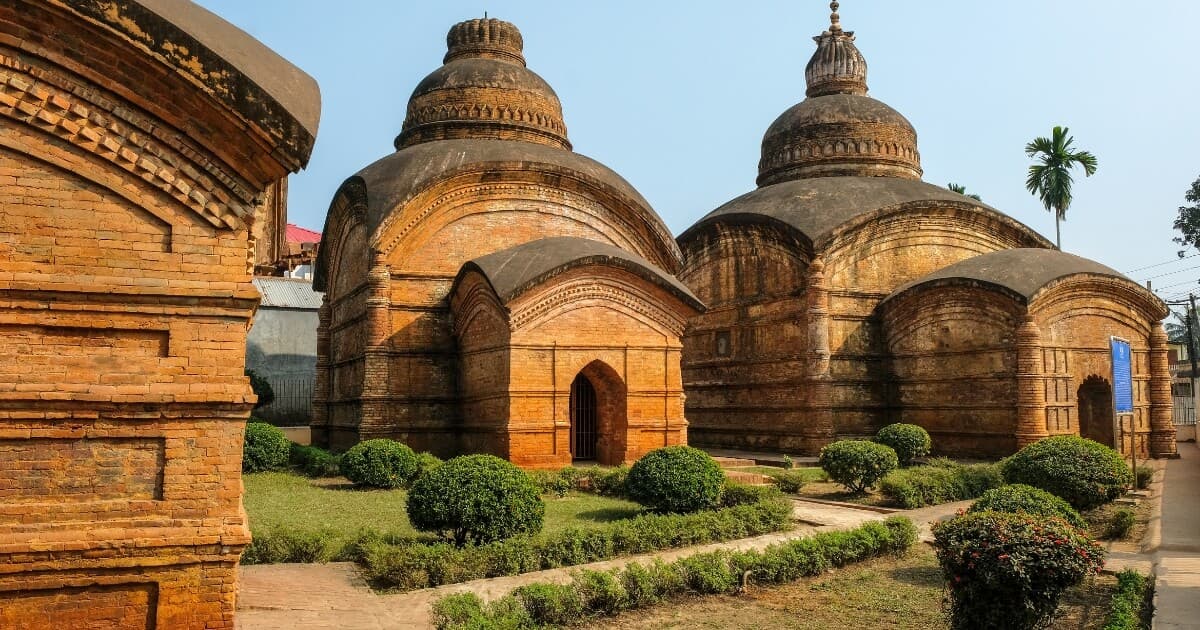
Step into Tripura, a former princely kingdom where royal palaces, ancient rock carvings, and sacred temples tell stories of dynasties long past. Our Tripura tour packages guide you through Agartala's regal charm, the mysterious…
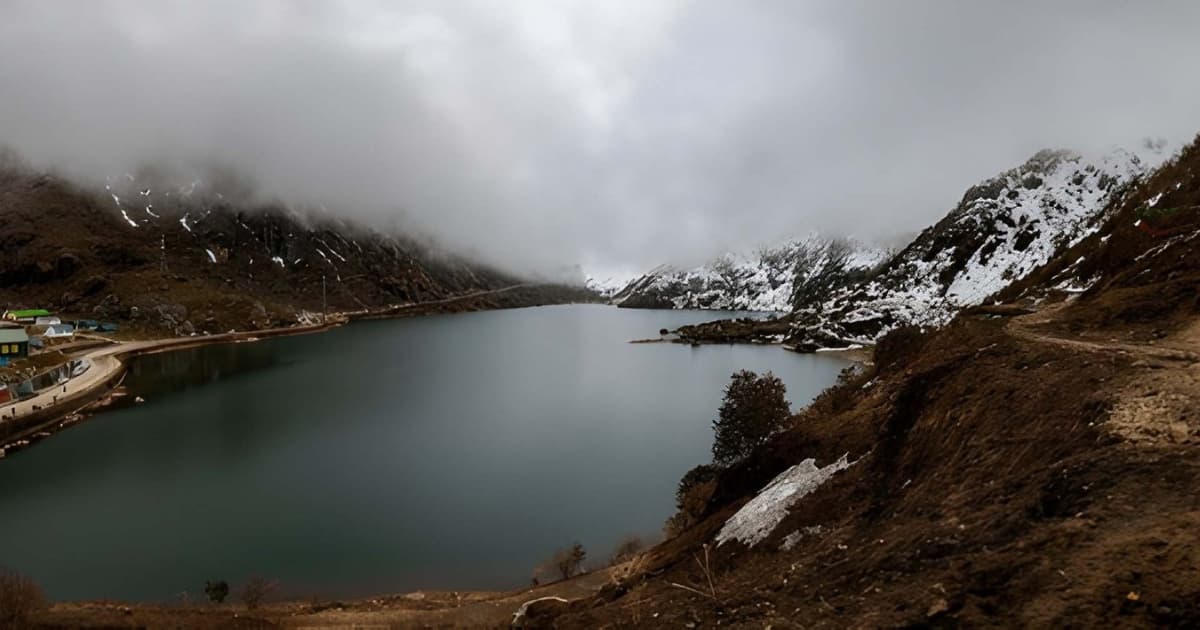
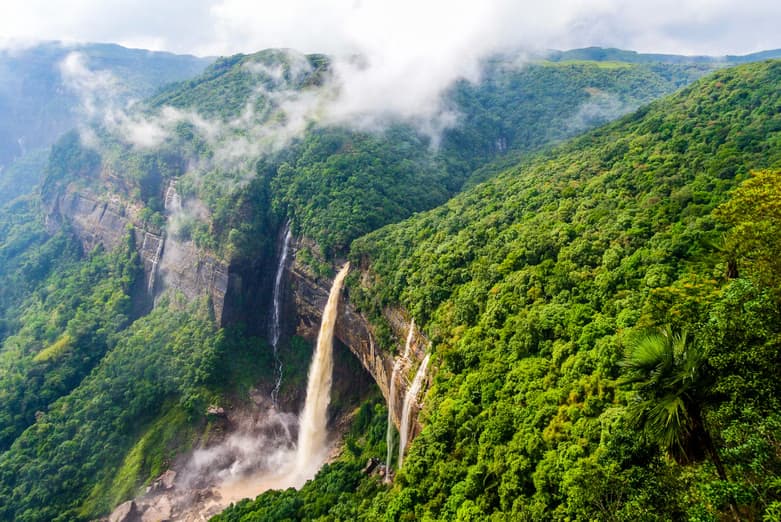
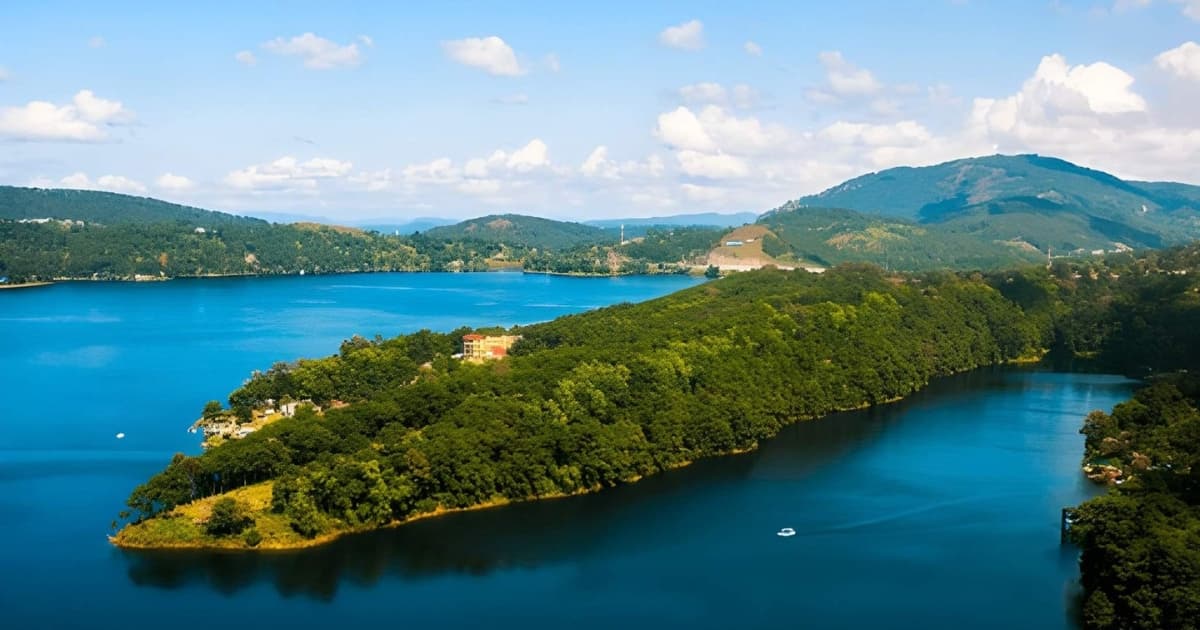
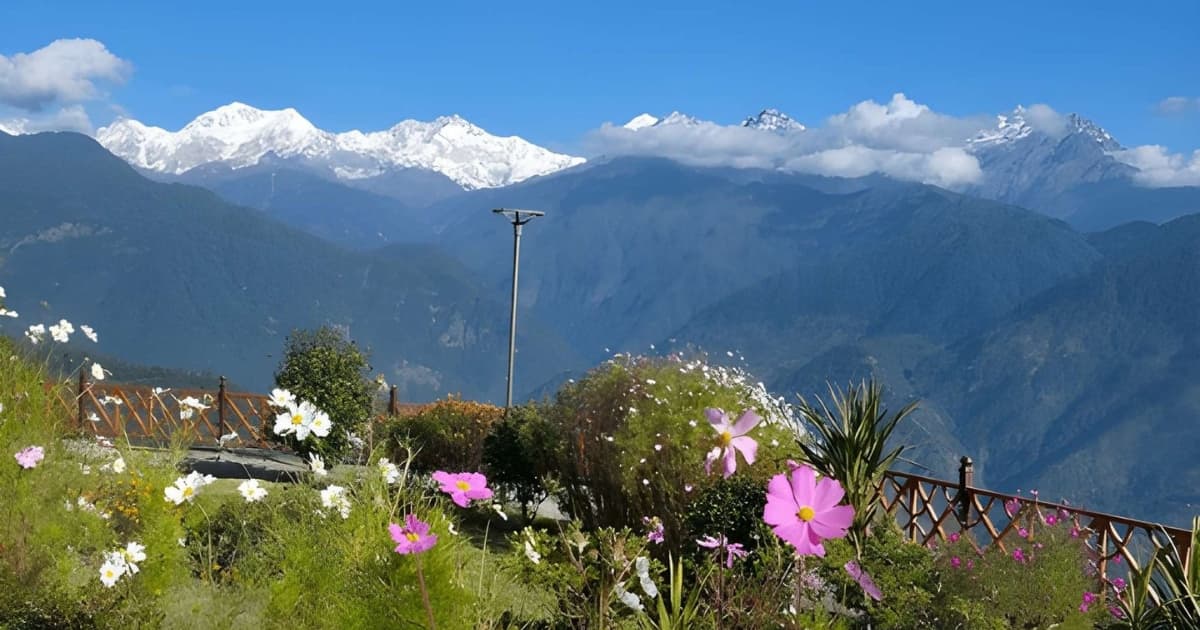
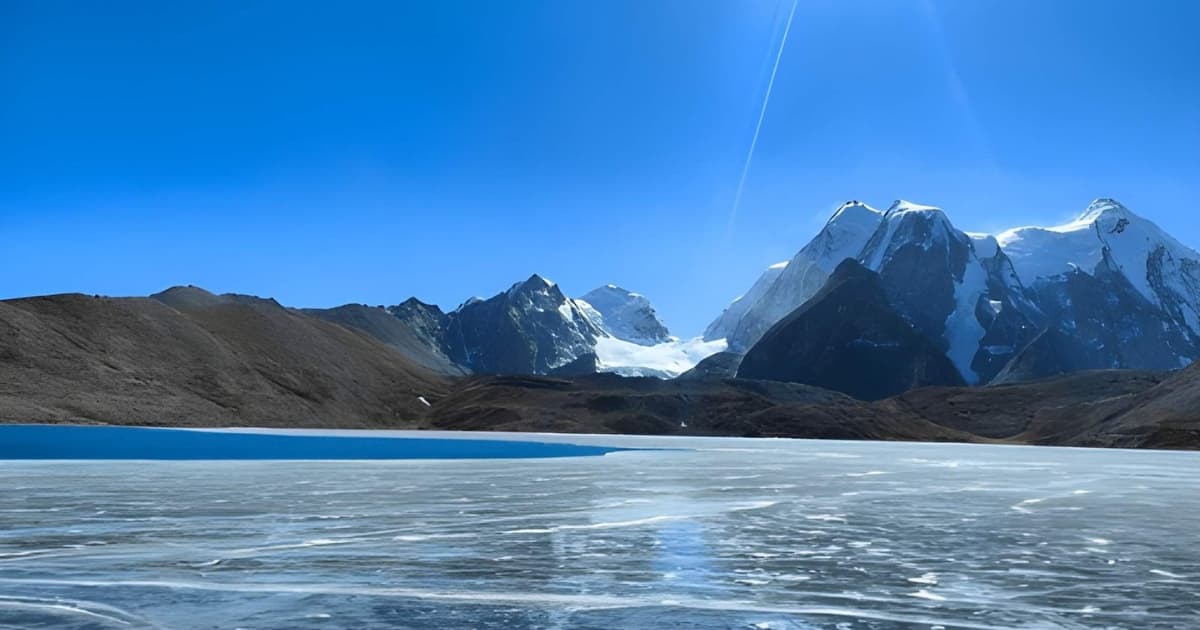
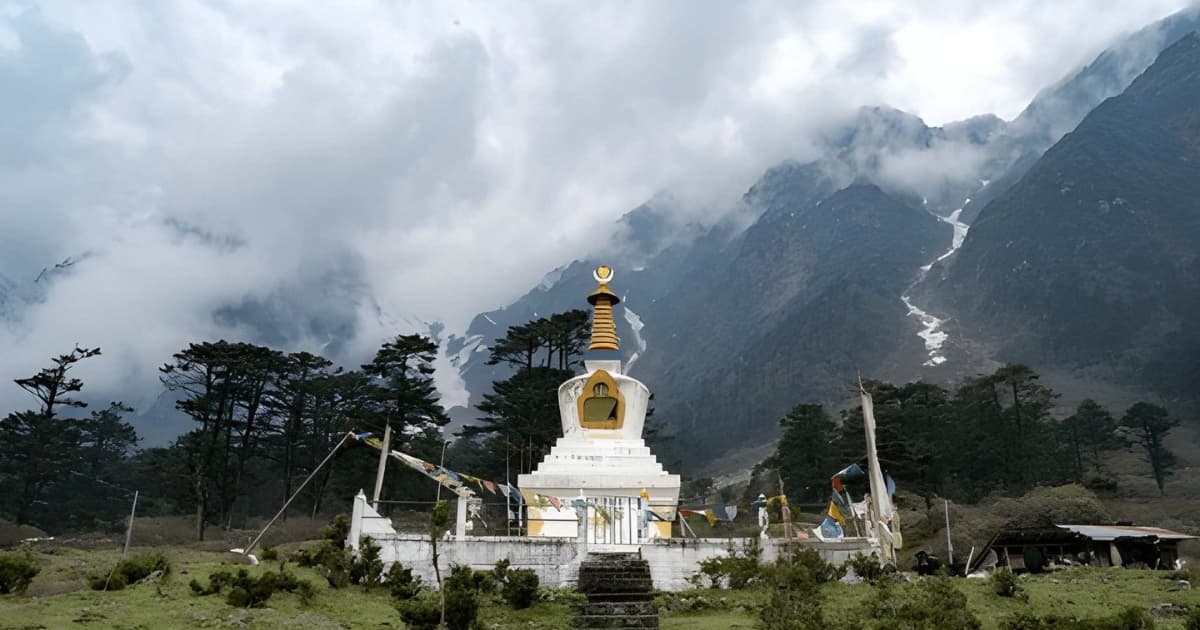
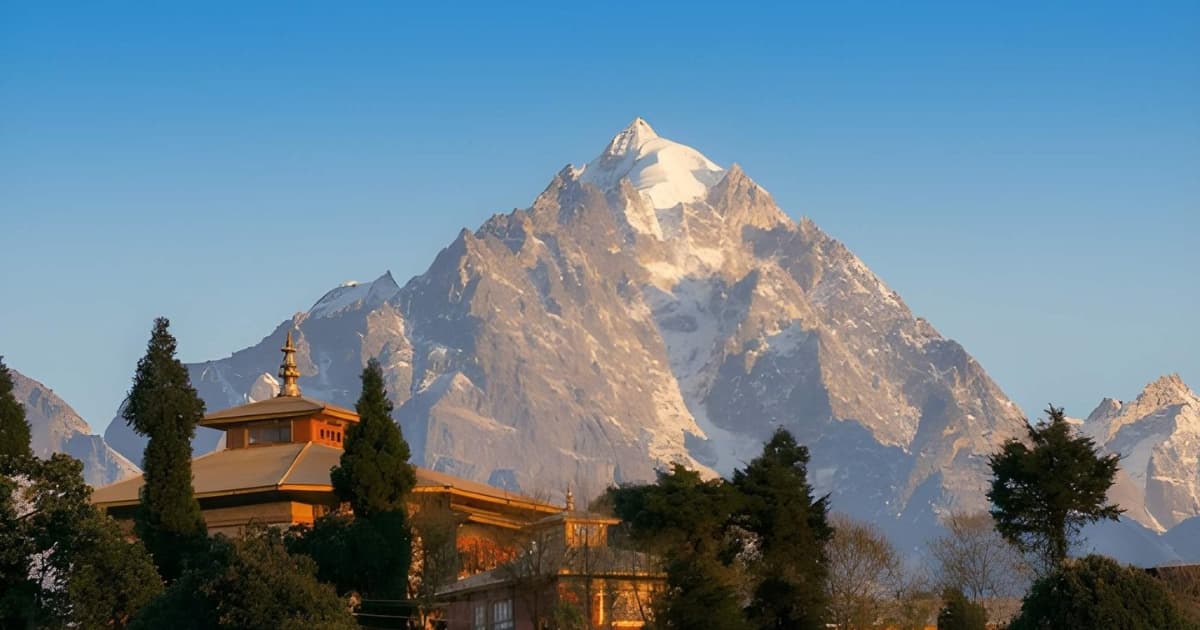
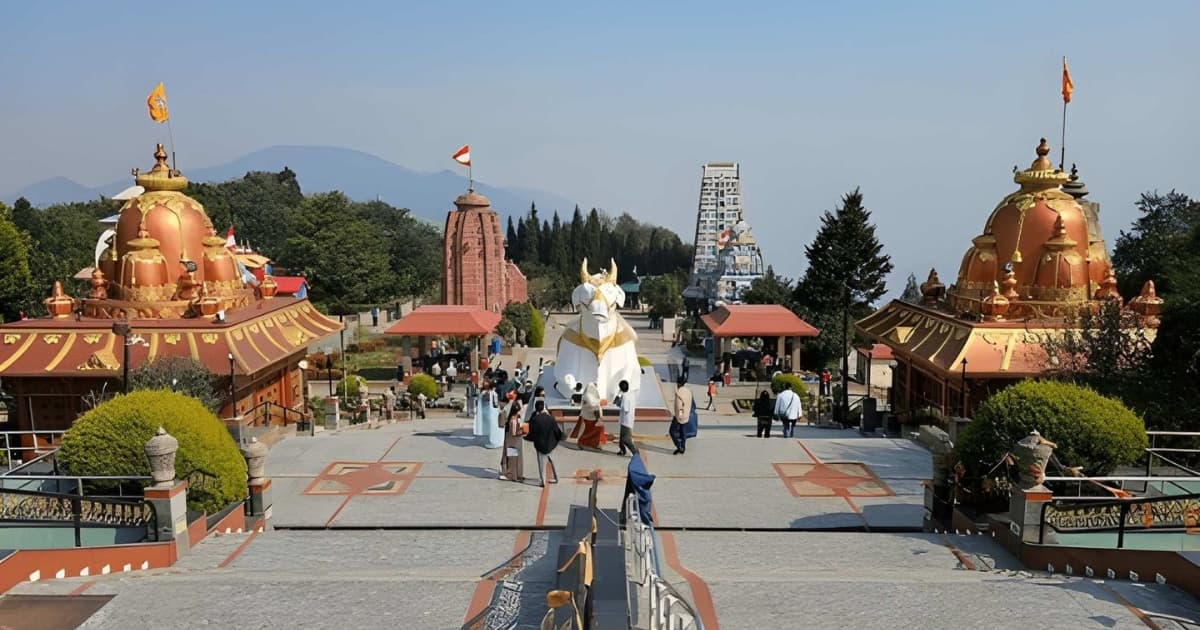
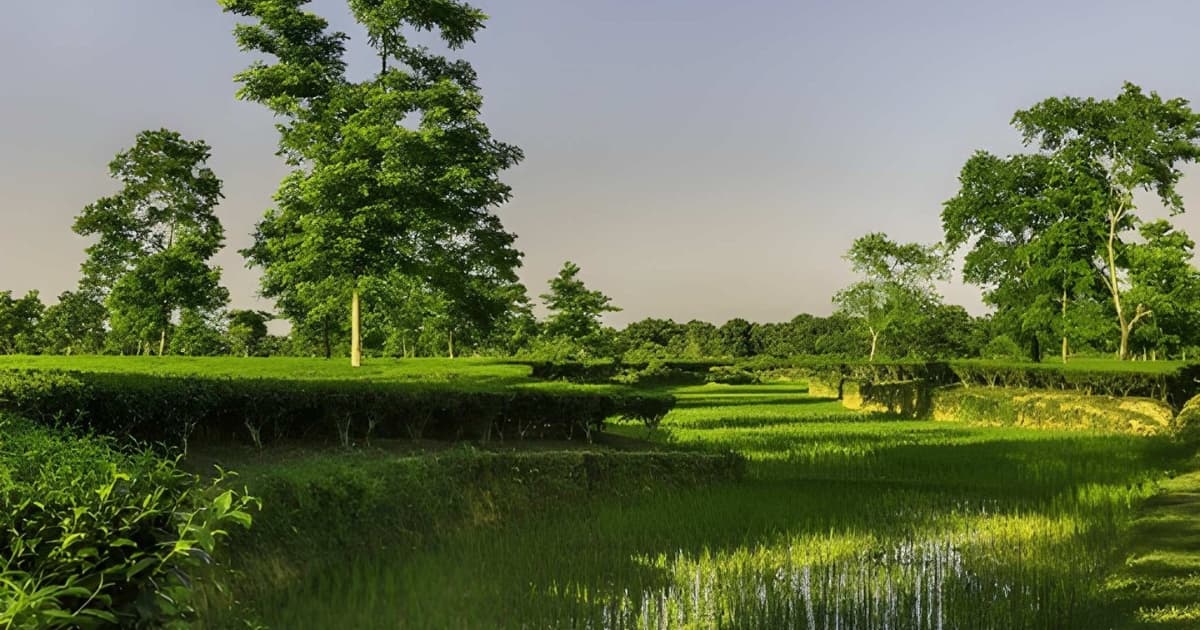
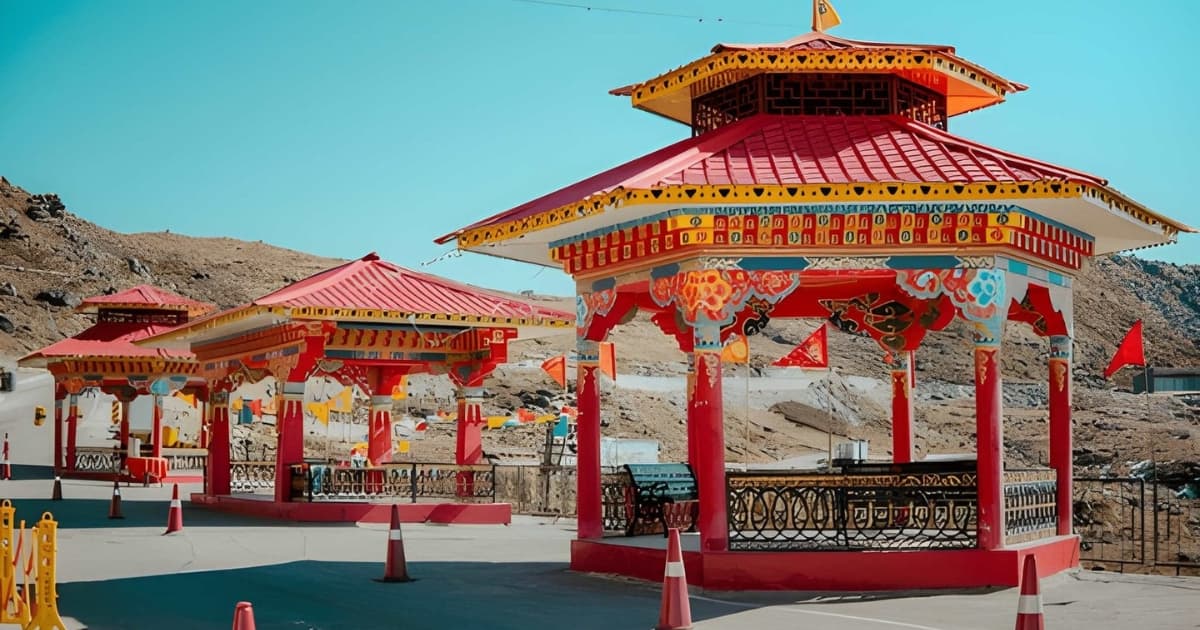
Embark on a delightful 3 Nights 4 Days Best of Gangtok Tour Package, the perfect short Himalayan getaway capturing the essence of Sikkim's vibrant capital. This budget-friendly Gangtok tour package begins with pickup from Bagdogra Airport, New Jalpaiguri Railway Station, or Siliguri and a scenic drive to Gangtok – the "Land of Monasteries" – perched at 1,650 m in the Eastern Himalayas. Experience the best of this charming hill capital with a full-day local sightseeing tour covering the magnificent Rumtek Monastery, the historic Enchey Monastery, Bakthang Waterfall, Tashi viewpoint, Ganesh Tok, Hanuman Tok, Flower Exhibition Centre, and the Sikkim Himalayan Zoological Park. Enjoy the thrilling excursion to the sacred **Tsomgo Lake (Changu Lake)** – a glacial wonder at 12,400 ft – and the revered **Baba Harbhajan Singh Mandir**, with the optional Nathula Pass adventure to the historic Indo-China border. Stroll along the lively MG Marg – India's first pedestrian-only, litter-free boulevard – sampling delicious Sikkimese momos, thukpa, and local delicacies. With MAP plan meals (breakfast & dinner), comfortable budget hotels, private cab transfers, permit assistance, and seamless sightseeing, this Best of Gangtok itinerary is perfect for families, couples, groups, and weekend travelers. Book this Gangtok tour package for memories of sacred lakes, monastery cultures, Kanchenjunga views, and vibrant Himalayan city life.
From ₹14,500 per person, based on 4 guests
Final price depends on your dates and group size.
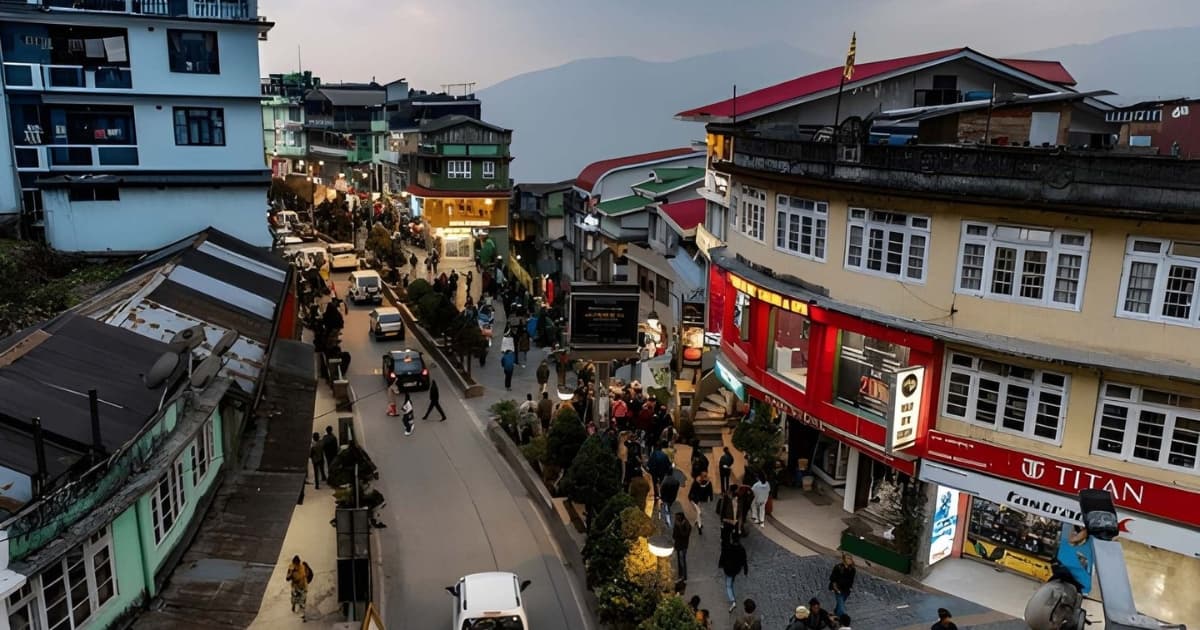
Embark on a romantic 6 Nights 7 Days Darjeeling Sikkim Honeymoon Tour Package, a dreamy Himalayan escape crafted for couples seeking misty tea gardens, serene lakes, snow-capped sunrises, and charming colonial streets. This budget-friendly honeymoon package begins with pickup from Bagdogra Airport, New Jalpaiguri Railway Station, or Siliguri and a scenic drive to Darjeeling – the "Queen of Hill Stations" – featuring the iconic Tiger Hill sunrise over Mount Kanchenjunga, the UNESCO-listed Darjeeling Himalayan Railway (Toy Train), Batasia Loop, Ghoom Monastery, Padmaja Naidu Himalayan Zoological Park, and the lush Happy Valley Tea Estate. Enjoy a full-day romantic excursion to **Mirik** – with boating on the enchanting **Sumendu Lake**, scenic tea garden drives, and shopping at the Indo-Nepal border market of Pashupati Nagar. Continue to Gangtok – the romantic capital of Sikkim – with MG Marg strolls, Rumtek Monastery, and the magical excursion to Tsomgo Lake and Baba Mandir, with the optional Nathula Pass adventure. With MAP plan meals (breakfast & dinner), cozy budget hotels with romantic touches, private cab transfers, and seamless sightseeing, this Darjeeling Mirik Gangtok honeymoon itinerary is perfect for newlyweds, couples, and honeymooners. Book this Darjeeling Sikkim honeymoon tour package for memories of Kanchenjunga sunrises, toy train rides, Mirik's misty lake, and everlasting love in the Himalayas.
From ₹24,500 per person, based on 2 guests
Final price depends on your dates and group size.
Embark on a 5 Nights 6 Days Gangtok Sikkim Honeymoon Special Tour Package, crafted for newlywed couples seeking a perfect blend of love, adventure, and Himalayan beauty. This budget-friendly East Sikkim honeymoon itinerary begins at NJP Railway Station / Bagdogra Airport and takes you through the charming capital city of Gangtok, famous for MG Marg, Rumtek Monastery, and panoramic Kanchenjunga views. Experience the thrill of high-altitude romance at the glacial Tsomgo Lake (Changu Lake), the sacred Baba Mandir, and the iconic Nathula Pass – one of the highest motorable Indo-China border passes in the world. Enjoy candlelight-style couple moments, cozy budget hotels with honeymoon amenities, and scenic drives through snow-clad mountains, alpine valleys, and Buddhist monasteries. This Sikkim honeymoon package is ideal for couples looking for an affordable yet unforgettable Himalayan getaway with hassle-free permits, private cab transfers, and handpicked stays. Book this Gangtok Tsomgo Lake Nathula honeymoon tour for memories that last a lifetime.
From ₹14,500 per person, based on 2 guests
Final price depends on your dates and group size.

Embark on an unforgettable 5 Nights 6 Days Majestic North East Tour Package, combining the spiritual charm of Assam with the scenic splendor of Meghalaya and the thrilling wilderness of Kaziranga. This budget-friendly Northeast India tour package begins with pickup from Guwahati Railway Station or Lokpriya Gopinath Bordoloi International Airport and a scenic drive to Shillong, the "Scotland of the East," featuring the crystal-clear Umiam Lake, panoramic Shillong Peak, Elephant Falls, and Ward's Lake. Continue to Cherrapunji (Sohra) – the wettest place on Earth – home to the majestic Nohkalikai Falls (India's tallest plunge waterfall), the limestone Mawsmai Cave, Seven Sisters Falls, Eco Park, and Arwah Cave. The adventure then shifts to Kaziranga National Park, the UNESCO World Heritage Site housing two-thirds of the world's One-Horned Rhinoceros population, along with Royal Bengal Tigers, wild elephants, and swamp deer – experienced through exhilarating jeep and elephant safaris. The journey concludes in Guwahati with divine darshan at the sacred Kamakhya Temple and a mesmerizing sunset cruise on the Brahmaputra River. With MAP plan meals (breakfast & dinner), comfortable budget hotels and jungle resorts, private cab transfers, and seamless sightseeing, this Guwahati Shillong Cherrapunji Kaziranga itinerary is perfect for families, couples, wildlife lovers, and nature enthusiasts. Book this Majestic North East tour package for the ultimate Assam-Meghalaya experience.
From ₹18,500 per person, based on 4 guests
Final price depends on your dates and group size.
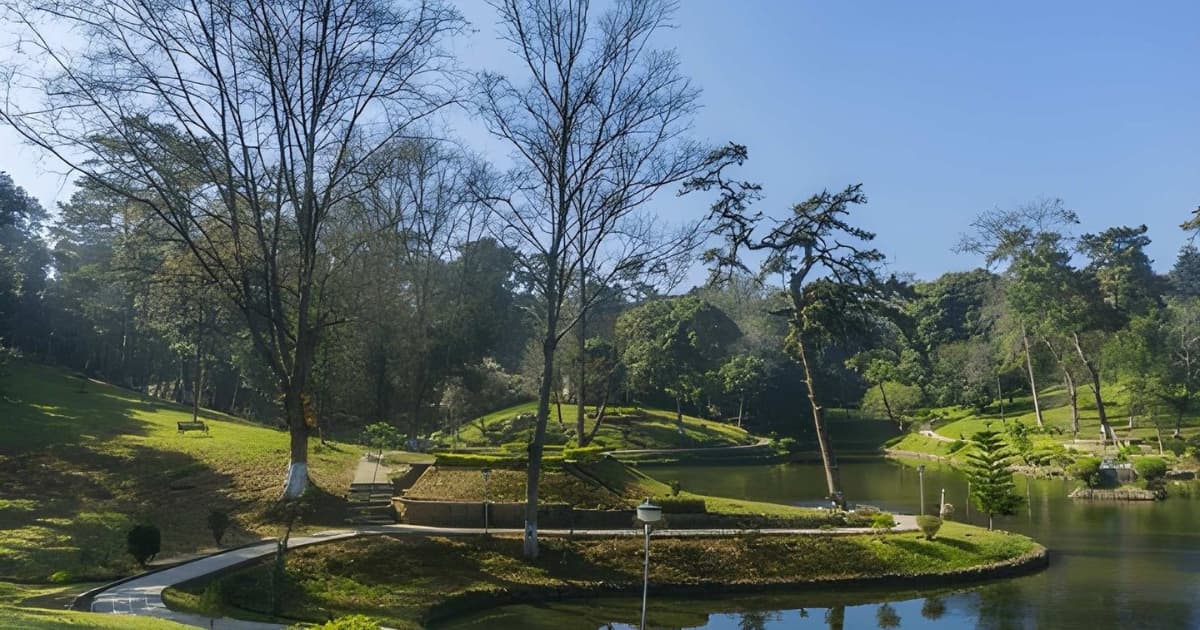
Embark on an unforgettable 5 Nights 6 Days Shillong Mawlynnong Dawki Tour Package, the ultimate Meghalaya exploration covering the "Abode of Clouds" in all its glory. This budget-friendly Northeast India tour package begins with pickup from Guwahati Railway Station or Lokpriya Gopinath Bordoloi International Airport and a scenic drive to Shillong, the "Scotland of the East," featuring Umiam Lake, Shillong Peak, Elephant Falls, and Ward's Lake. Continue to Cherrapunji (Sohra) – the wettest place on Earth – home to Nohkalikai Falls (India's tallest plunge waterfall), Mawsmai Cave, Seven Sisters Falls, Eco Park, Arwah Cave, and the legendary Double-Decker Living Root Bridge region. Journey further to Mawlynnong – Asia's cleanest village – with its famous Sky View bamboo tower and the mysterious Balancing Rock, along with the Living Root Bridge at nearby Riwai. Experience the magical glass-clear waters of the Umngot River at Dawki, where boats appear to float in mid-air, and visit the India–Bangladesh border at Tamabil. With MAP plan meals (breakfast & dinner), comfortable budget hotels, private cab transfers, and seamless sightseeing, this Guwahati Shillong Cherrapunji Mawlynnong Dawki itinerary is perfect for families, couples, groups, and nature lovers. Book this Meghalaya tour package for memories of waterfalls, caves, living root bridges, and crystal rivers.
From ₹17,500 per person, based on 4 guests
Final price depends on your dates and group size.
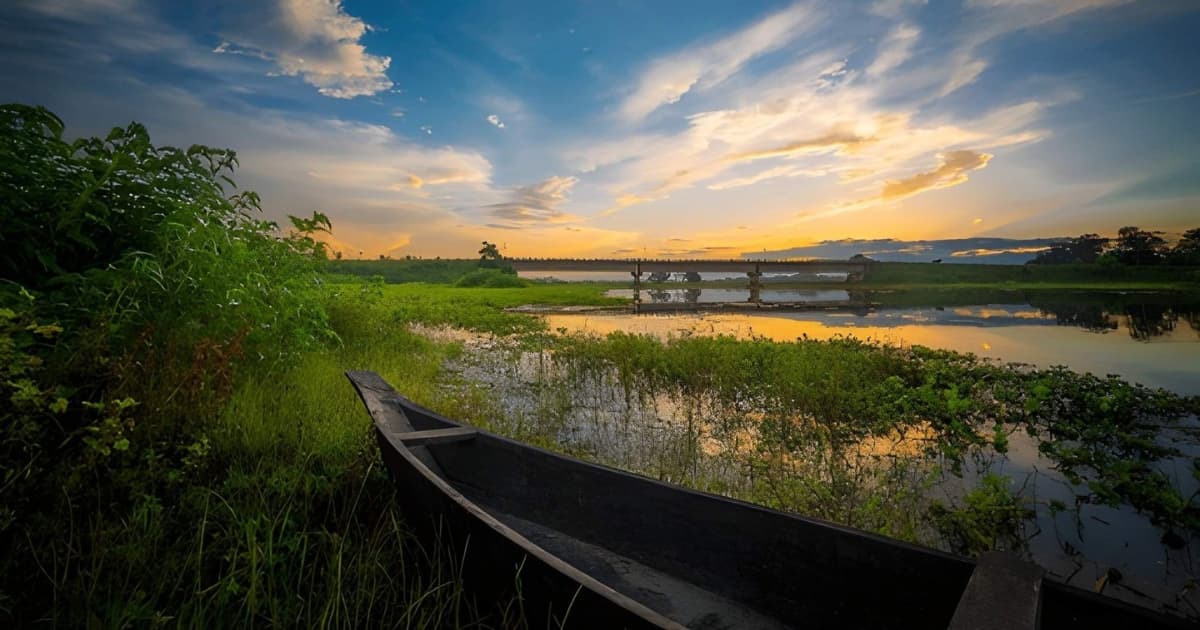
Mark on an enchanting 4 5 Days Assam Wildlife & Culture Package, a perfect fusion of Assam's rich Satra culture, river island spirituality, and thrilling wildlife safaris. This budget-friendly Assam tour package begins at Jorhat – the "Cultural Capital ofam" and historic tea capital – with visits to heritage tea estates and thebon Wildlife Sanctuary. Cross the mighty Brahutra River by ferry to Majuli, the world's largest river island and a UNESCO tentative World Heritage Site, famous for its ancient Vaishnavite Satras (asteries) founded by Srimanta Sankardev, traditional Mishing tribal villages, mask-making at Samag Satra, and exquisite pottery crafts Continue to Kaziranga National Park, the UNESCO World Heritage housing two-thirds of the world's One-Horned Rhoceros population, along with Royal Bengal Tigers, wild elephants, and swamp deer – experienced through exhilarating jeep and elephant safaris. The journey concludes in Guwahati with divine darshan at Kamakhya Temple and a sunset cruise on the Brahmaputra. With MAP plan meals (breakfast & dinner), comfortable budget hotels and resorts, private cab transfers, and ferry crossings, this Assam cultural wildlife itinerary is ideal for families, culture enthusiasts, birdwatchers, and wildlife photographers. Book this Majuli Kaziranga Guwahati tour package for an immersive Northeast India experience.
From ₹16,500 per person, based on 4 guests
Final price depends on your dates and group size.
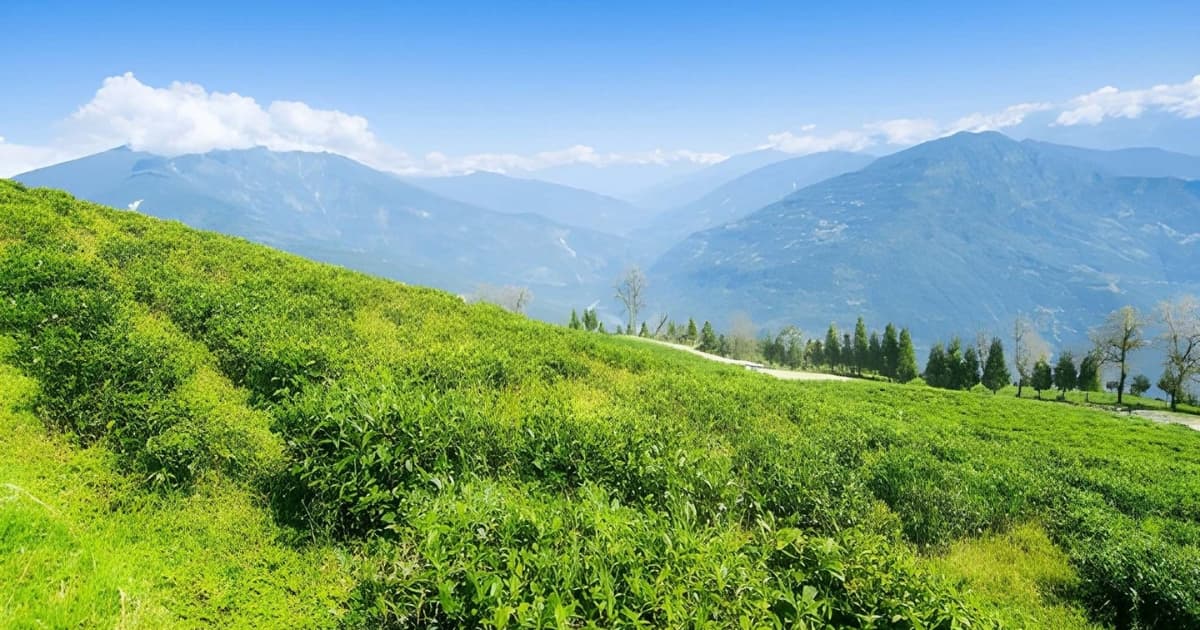
Embark on a memorable 5 Nights 6 Days Darjeeling Kalimpong Gangtok Tour Package, the perfect Himalayan triangle covering the three most charming hill destinations of the Eastern Himalayas. This budget-friendly tour package begins with pickup from Bagdogra Airport, New Jalpaiguri Railway Station, or Siliguri and a scenic drive to Darjeeling – the "Queen of Hill Stations" – featuring the iconic Tiger Hill sunrise over Mount Kanchenjunga, the UNESCO-listed Darjeeling Himalayan Railway (Toy Train), Batasia Loop, Ghoom Monastery, Padmaja Naidu Himalayan Zoological Park, and the lush Happy Valley Tea Estate. Continue to Kalimpong – the serene "Garden of West Bengal" – with Delo Hill, Durpin Monastery, Cactus Nursery, Pine View Nursery, and the charming Morgan House heritage. Then journey to Gangtok – the vibrant capital of Sikkim – with MG Marg strolls, Rumtek Monastery, and the magical excursion to Tsomgo Lake and Baba Mandir, with the optional Nathula Pass adventure. With MAP plan meals (breakfast & dinner), comfortable budget hotels, private cab transfers, and seamless sightseeing, this Darjeeling Kalimpong Gangtok itinerary is perfect for families, couples, groups, and nature lovers. Book this Darjeeling Kalimpong Gangtok tour package for memories of Kanchenjunga sunrises, toy train rides, monastery cultures, and sacred glacial lakes.
From ₹19,500 per person, based on 4 guests
Final price depends on your dates and group size.
Embark on an awe-inspiring 6 Nights 7 Days Gangtok Lachen Lachung Tour Package, the ultimate Sikkim Himalayan getaway covering the vibrant capital of Gangtok and the breathtaking high-altitude wonders of North Sikkim. This budget-friendly Sikkim tour package begins with pickup from Bagdogra Airport, New Jalpaiguri Railway Station, or Siliguri and a scenic drive to Gangtok – the "Land of Monasteries" – featuring MG Marg, Rumtek Monastery, Enchey Monastery, Bakthang Waterfall, and Tashi viewpoint. Journey into the remote North Sikkim Himalayas with a night at **Lachen** – the "Land of High Passes" village – and explore the pristineGurudongmar Lake**, one of the highest sacred lakes in the world at 17,800 ft, along with the stunning Thangu Valley and Chopta Valley. Continue to **Lachung** village and experience the legendary **Yumthang Valley – the "Valley of Flowers" of Sikkim** – carpeted with alpine and framed by snow-capped peaks, plus the optional zero-point excursion at Yumesamdong (15,300 ft). En route back, visit the magnificent Seven Sisters Falls and the hot springs. With MAP plan meals (breakfast & dinner), comfortable budget hotels and North Sikkim homestays, private cab transfers, and expertly managed Protected Area Permits (PAP), this Gangtok Lachen Lachung Yumthang itinerary is perfect for families, couples, adventure seekers, and nature lovers. Book thisikkim North Sikkim tour package for memories of sacred lakes, blooming valleys, and majestic Himalayan landscapes.
From ₹22,500 per person, based on 4 guests
Final price depends on your dates and group size.
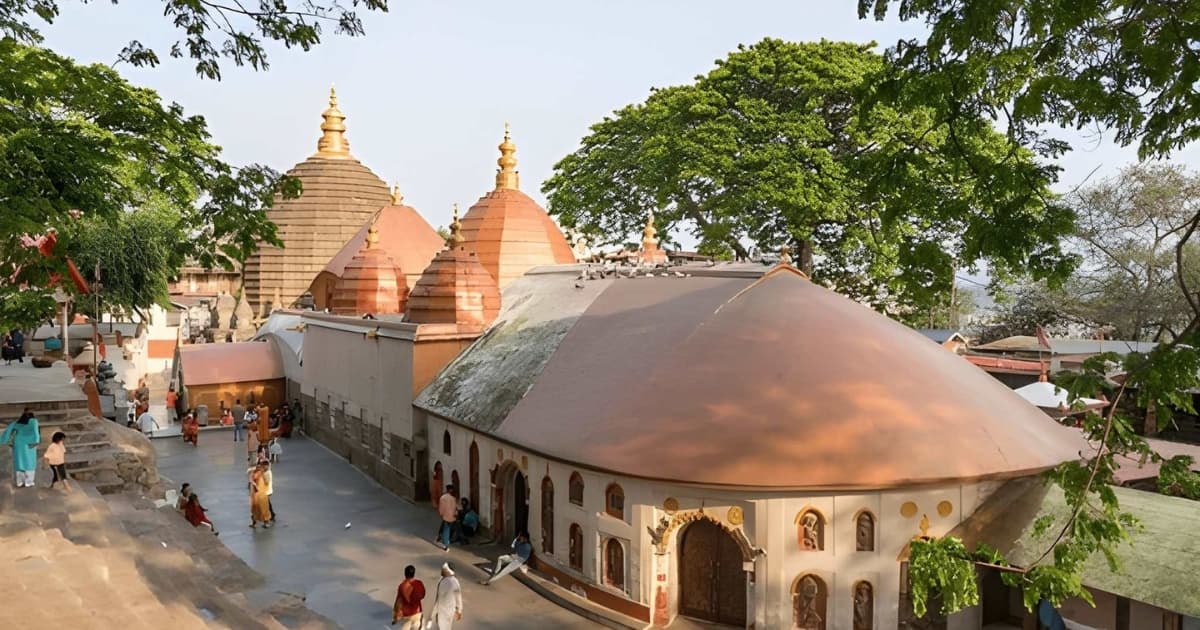
Embark on a spiritually enriching 2 Nights 3 Days Kamakhya Devi Tour Package, one of the most revered Shakti Peetha pilgrimage tours in India. This budget-friendly Guwahati Kamakhya Temple tour package begins with pickup from Guwahati Railway Station or Lokpriya Gopinath Bordoloi International Airport and takes devotees to the sacred Kamakhya Temple, located atop the Nilachal Hill in Assam. Dedicated to Goddess Kamakhya, this ancient tantric temple attracts millions of pilgrims, tantra seekers, and tourists every year, especially during the famous Ambubachi Mela. This Assam pilgrimage tour also covers other iconic attractions including Umananda Temple on the Peacock Island, Navagraha Temple, Basistha Ashram, Assam State Museum, and a mesmerizing sunset river cruise on the Brahmaputra River. With MAP plan meals (breakfast & dinner), comfortable budget hotels, private cab transfers, and VIP darshan assistance, this Guwahati temple tour package is perfect for, devotees, and senior citizens seeking a hassle-free divine experience. Book this Kamakhya Devi darshan tour package for a soulful journey filled with faith, devotion, and Brahmaputra valley charm.
From ₹7,500 per person, based on 4 guests
Final price depends on your dates and group size.
Embark on a soulful 2 Nights 3 Days Kamakhya Temple Shillong Cherrapunji Tour Package, combining the spiritual essence of Assam with the breathtaking natural beauty of Meghalaya – the "Abode of Clouds." This budget-friendly Northeast India tour package begins with the divine darshan of Goddess Kamakhya at the sacred Kamakhya Temple on Nilachal Hill, one of the 51 Shakt Peethas and the most powerful tantric shrine in India. The journey then takes you to Shillong, the charming "Scotland of the East," featuring the crystal-clear Umiam Lake, the majestic Shillong Peak, and the popular Elephant Falls. Continue to Cherrapunji (Sohra), the wettest place on Earth, home to the spectacular Nohkalikai Falls – India's tallest plunge waterfall, the mysterious Mawsmai Cave, the legendary Double-Decker Living Root Bridge viewpoint, and the stunning Seven Sisters Falls. With MAP plan meals (breakfast & dinner), comfortable budget hotels, private cab transfers, and seamless pickup from Guwahati Railway Station or Airport, this Guwahati Shillong Cherrunji itinerary is perfect for families, couples, groups, and pilgrims alike. Book this Assam Meghalaya tour package for a perfect blend of faith, waterfalls, caves, and Himalayan-Khasi hill charm.
From ₹9,500 per person, based on 4 guests
Final price depends on your dates and group size.
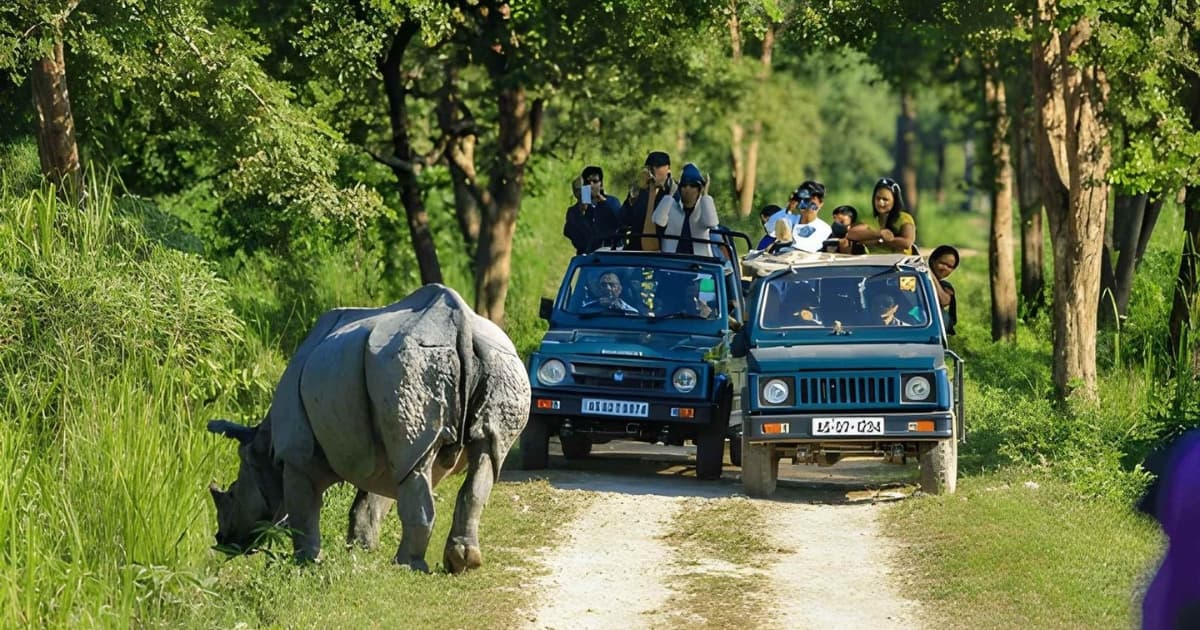
Embark on an thrilling 2 Nights 3 Days Kaziranga National Park Tour Package, a wildlife lover's dream and home to two-thirds of the world's population of the endangered One-Horned Rhinoceros. This budget-friendly Assam wildlife tour begins with pickup from Guwahati Railway Station or Lokpriya Gopinath Bordoloi International Airport and takes you deep into the UNESCO World Heritage Site of Kaziranga National Park – a sprawling 430 sq km paradise of tall elephant grass, marshlands, and dense tropical forests along the Brahmaputra River floodplains. Experience heart-pounding elephant safari and jeep safari adventures across the park's four ranges – Kohora (Central), Bagori (Western), Agoratoli (Eastern), and Burapahar – spotting the Big Five of Kaziranga: the Great One-Horned Rhinoceros, Royal Bengal Tiger, Asian Elephant, Wild Water Buffalo, and Eastern Deer. The tour also covers the lush Kaziranga Orchid Park, the cultural Kaziranga National Park Museum, tea garden visits, and an evening Bihu dance performance at Orchid. With MAP plan meals (breakfast & dinner), comfortable budget jungle resorts, private cab transfers, and expert safari coordination, this Kaziranga wildlife safari package is perfect for families, photographers, wildlife enthusiasts, and nature lovers. Book this Assam wildlife tour for an unforgettable encounter with the wild.
From ₹9,500 per person, based on 4 guests
Final price depends on your dates and group size.
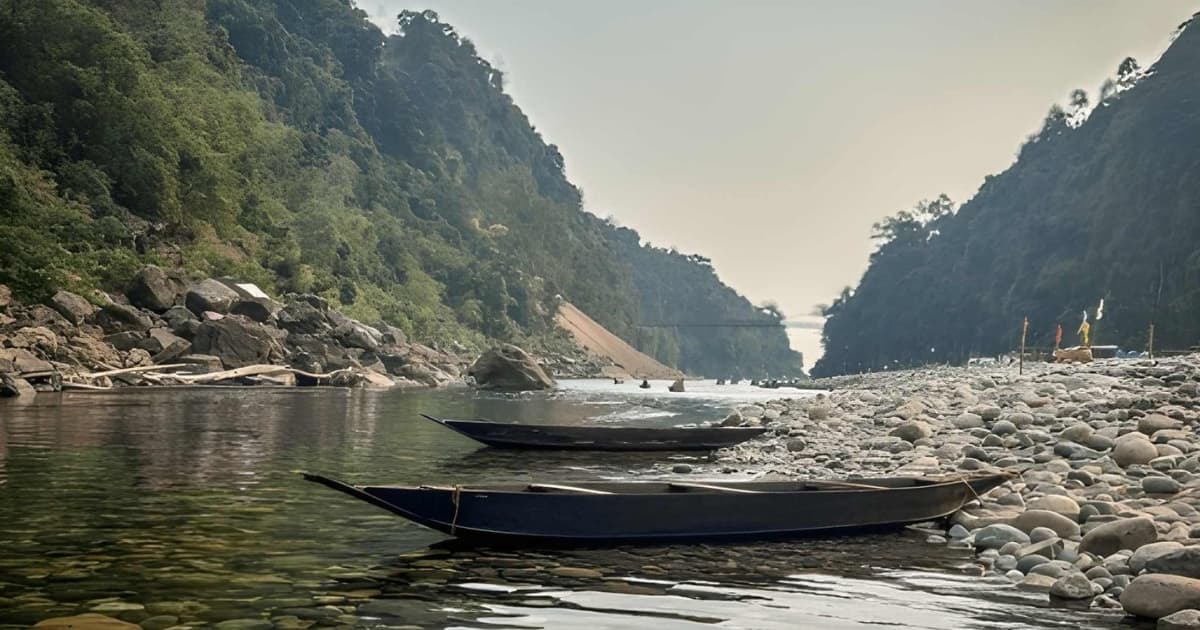
Embark on the ultimate 6 Nights 7 Days Kaziranga with Meghalaya Tour Package, a grand Northeast India journey combining thrilling wildlife safaris with the breathtaking landscapes of the "Abode of Clouds." This budget-friendly Assam Meghalaya tour package begins with pickup from Guwahati Railway Station or Lokpriya Gopinath Bordoloi International Airport and a divine darshan of Maa Kamakhya at the sacred Shakti Peetha on Nilachal Hill. Venture into Kaziranga National Park, the UNESCO World Heritage Site home to two-thirds of the world's One-Horned Rhinoceros population, experienced through exhilarating jeep and elephant safaris along with Royal Bengal Tigers, wild elephants, and swamp deer. Then traverse into Meghalaya – explore Shillong, the "Scotland of the East," with Umiam Lake, Shillong Peak, and Ward's Lake; spend a magical night at Cherrapunjee (Sohra), the wettest place on Earth, surrounded by Nohkalikai Falls, Mawsmai Cave, and the Seven Sisters Falls; and enjoy an authentic village experience with an overnight stay at Mawlynnong – Asia's Cleanest Village – complete with the Sky View tower, Living Root Bridge at Riwai, and the glass-clear Umngot River boating at Dawki near the India–Bangladesh border. With MAP plan meals (breakfast & dinner comfortable budget hotels, jungle resorts, and village homestays, private cab transfers, and seamless sightseeing, this Kaziranga Shillong Cherrapunjee Mawlynnong Dawki itinerary is perfect for families, wildlife lovers, photographers, and nature enthusiasts. Book this complete Northeast India tour package for memories of rhinos, waterfalls, root bridges, and crystal rivers.
From ₹21,500 per person, based on 4 guests
Final price depends on your dates and group size.
There is a moment on the drive up to Tawang — somewhere past Sela Pass, at 13,700 feet, where the road narrows to a ribbon and the clouds sit below you — when it becomes obvious that North East India is not simply another region of the country. It is a different India altogether.
Eight states. Over 220 distinct ethnic groups. More than 200 languages. Rainforests that receive some of the heaviest rainfall on Earth, alpine passes that freeze solid in January, one-horned rhinos grazing in floodplain grassland, root bridges grown — not built — over gorges. And, for now, a fraction of the crowds you'll find in Goa or Manali.
This destination guide covers everything you need to actually plan the trip: what each state is known for, when to go, which permits you need, how much it costs, and three ready-to-use itineraries.
It is India's least-crowded frontier. You can spend an entire morning at a Meghalaya viewpoint and share it with three people and a dog.
The landscape changes every 100 kilometres. Assam's tea flatlands give way to Meghalaya's waterfall country, Arunachal's Buddhist high country, Nagaland's ridge-top villages, and Sikkim's Kanchenjunga views.
The wildlife is world-class. Kaziranga holds roughly two-thirds of the world's greater one-horned rhinos. Manas is a UNESCO World Heritage Site. Namdapha is one of the few places on Earth with four big cat species.
The culture is living, not staged. Nagaland's Hornbill Festival, Assam's Bihu, Sikkim's monastery cham dances, Arunachal's Ziro valley — these are community events that happen whether or not tourists show up.
The food is unlike anything else in India. Fermented bamboo shoot, smoked pork with axone, black rice pudding, Naga king chilli, sticky rice steamed in leaves. Very little of it looks like the "Indian food" a foreign visitor expects.
| States covered | Assam, Meghalaya, Arunachal Pradesh, Nagaland, Manipur, Mizoram, Tripura, Sikkim |
| Main gateway airports | Guwahati (GAU), Bagdogra (IXB), Imphal (IMF), Dibrugarh (DIB), Agartala (IXA) |
| Best overall season | October to April |
| Minimum realistic trip | 7 days (one or two states) |
| Permits | Required for Indians in 4 states; separately for foreign nationals |
| Currency & connectivity | ₹ INR; 4G is good in towns, patchy in the high hills |
Assam is where almost every North East trip begins, and it deserves more than a night in Guwahati. The Brahmaputra defines the state — a river so wide in places that the far bank disappears.
Don't miss: Kaziranga National Park for rhinos, elephant and swamp deer; Majuli, one of the world's largest river islands and home to centuries-old Vaishnavite satras; the Kamakhya Temple in Guwahati; a tea estate stay around Jorhat or Dibrugarh.
Base towns: Guwahati, Kaziranga, Jorhat Ideal duration: 3–4 days Note: Kaziranga and most Assam parks close through the monsoon and typically reopen around late October/November — always confirm dates before booking.
The "abode of clouds" is the region's most photographed state, and the most immediately rewarding for first-timers. Cherrapunji (Sohra) and Mawsynram are among the wettest inhabited places on the planet.
Don't miss: The double-decker living root bridge at Nongriat (a genuine 3,000-step descent — pack accordingly); Dawki's glass-clear Umngot river; Mawlynnong, marketed as Asia's cleanest village; Laitlum Canyon at sunrise; the Krem Liat Prah and Mawsmai cave systems.
Base towns: Shillong, Cherrapunji, Dawki Ideal duration: 4–5 days Note: No permit needed for Indian travellers.
The largest state in the region and the most demanding to travel. Roads are long, mountain weather is decisive, and the payoff is immense.
Don't miss: Tawang Monastery, the largest in India; Sela Pass and Madhuri Lake; Ziro Valley and the Apatani cultural landscape; Mechuka; Namdapha National Park for serious wildlife travellers; Dong or Anini for the far-flung.
Base towns: Itanagar, Bomdila, Tawang, Ziro Ideal duration: 6–8 days Note: Inner Line Permit mandatory for Indians; Protected Area Permit for foreign nationals.
Nagaland rewards travellers who care more about people than monuments. Villages sit dramatically along ridge lines, and hospitality is a serious cultural value.
Don't miss: The Hornbill Festival at Kisama, held each December and the single best window to see all major Naga tribes in one place; Khonoma, India's first green village; Dzukou Valley trek; Longwa, where the village straddles the India–Myanmar border.
Base towns: Kohima, Dimapur, Mon Ideal duration: 4–5 days Note: ILP required for Indian travellers. Book Hornbill-season accommodation months ahead.
Officially part of the North Eastern Council since 2002 and the region's most tourism-ready state: clean, organised, and reachable via Bagdogra or the Siliguri corridor.
Don't miss: Gurudongmar and Tsomgo lakes; Nathu La; Pelling's Kanchenjunga views; Rumtek, Pemayangtse and Tashiding monasteries; the Yuksom–Dzongri–Goecha La trek.
Base towns: Gangtok, Pelling, Lachung, Yuksom Ideal duration: 5–6 days Note: Sikkim is open to Indians without a permit, but restricted zones (North Sikkim, Nathu La, Tsomgo) require a separate permit arranged through a registered local operator.
Manipur has extraordinary assets: the floating phumdi islands of Loktak Lake, Keibul Lamjao (the world's only floating national park), the martial art of Thang-Ta, and Imphal's Ima Keithel, run entirely by women.
Base towns: Imphal, Moirang Ideal duration: 3–4 days Important: Manipur has experienced sustained ethnic conflict since 2023, and conditions remain sensitive and location-specific. Several foreign governments continue to advise against non-essential travel to the state. The Imphal valley and Loktak area do receive visitors, but travel here should only be undertaken with current advice from Indian authorities and a reputable local operator, with routes confirmed close to the date. It is not a state for improvised, independent travel right now. Note also that Manipur is a dry state and ILP applies to Indian travellers.
Underrated and almost entirely uncrowded. Aizawl is built along a ridge; Mizo society is famously literate, orderly and church-centred — much of the state simply stops on Sundays.
Don't miss: Reiek and Hmuifang hills; Phawngpui (Blue Mountain) National Park; Vantawng Falls; the Champhai valley near the Myanmar border.
Base towns: Aizawl, Champhai Ideal duration: 3–4 days Note: ILP required for Indians.
The most accessible state culturally and logistically, and often paired with Bangladesh-border itineraries.
Don't miss: Ujjayanta Palace in Agartala; Neermahal, a water palace on Rudrasagar Lake; the rock carvings at Unakoti; Jampui Hills for orange orchards and sunrise clouds.
Base towns: Agartala, Udaipur Ideal duration: 2–3 days Note: No permit needed for Indian travellers.
| Season | Months | What it's good for |
|---|---|---|
| Post-monsoon | Oct–Nov | The sweet spot. Clear skies, green landscapes, wildlife parks reopening, festival season begins |
| Winter | Dec–Feb | Hornbill Festival, Himalayan snow, best rhino sightings, crisp Kanchenjunga views. Cold above 2,000 m |
| Spring | Mar–Apr | Rhododendrons in Sikkim and Arunachal, Bihu in Assam, comfortable temperatures |
| Pre-monsoon | May | Hot in the plains; hill states still workable; parks begin closing |
| Monsoon | Jun–Sep | Meghalaya's waterfalls at full force and cheapest rates — but landslides, road closures and park shutdowns are routine |
Short answer: October to April for a first trip. June to August only if waterfalls are the entire point and you have flexible dates.
This trips up more travellers than anything else. Two separate systems apply.
For Indian citizens — Inner Line Permit (ILP) Required for Arunachal Pradesh, Nagaland, Mizoram and Manipur (Manipur was added to the ILP regime in December 2019). Assam, Meghalaya and Tripura need no permit at all. Sikkim needs none for general entry, but restricted zones require a separate permit.
Most states issue ILPs online in a day or two, often at nominal or no cost. Practical tips that save real trouble at checkpoints:
Verify current rules before you book. Permit policy in this region genuinely changes, and no blog post — including this one — is a substitute for the official state portal or your operator's confirmation.
By air: Guwahati (GAU) is the primary hub with direct flights from Delhi, Kolkata, Mumbai and Bengaluru. Bagdogra (IXB) serves Sikkim and Darjeeling. Imphal, Agartala, Dibrugarh, Silchar, Aizawl, Shillong and Dimapur have smaller airports. Pakyong near Gangtok operates seasonally.
By rail: Guwahati is the region's rail nerve centre, connected to most Indian metros. Dibrugarh, Agartala, Dimapur and New Jalpaiguri are other useful railheads. Meghalaya has just one station, Mendipathar, with a daily Guwahati service.
Getting around: Distances look small and drive times are not. Shillong to Cherrapunji is 55 km and takes two hours. Guwahati to Tawang takes two full days. Hire a car with a local driver — it is the region's default, and drivers who know landslide-prone stretches and checkpoint routines are worth every rupee. Shared sumos connect most hill towns cheaply for budget travellers.
Guwahati → Shillong → Cherrapunji → Nongriat root bridges → Dawki & Mawlynnong → Kaziranga → Guwahati. The most efficient introduction to the region. No permits needed for Indian travellers.
Guwahati → Kaziranga → Jorhat/Majuli → Kohima → Khonoma → Dzukou Valley → Shillong → Cherrapunji → Guwahati. Time this around early December for the Hornbill Festival and book six months ahead.
Guwahati → Kaziranga → Nameri → Bhalukpong → Dirang → Sela Pass → Tawang (3 nights) → Bomdila → Ziro → Itanagar → Shillong → Guwahati. Long driving days, high altitude, spectacular payoff. October–April only.
| Style | Approx. daily budget | What it looks like |
|---|---|---|
| Backpacker | ₹1,500–2,500 | Homestays, shared sumos, local eateries |
| Mid-range | ₹3,500–6,000 | Good hotels, private cab shared between 3–4, guided park safaris |
| Premium | ₹9,000–20,000+ | Heritage tea bungalows, luxury lodges, private guides, chartered transfers |
Two costs consistently surprise people: private transport, which dominates any Northeast budget because of the distances, and national park safaris, which carry separate entry, vehicle, guide and camera fees.
| Festival | State | Roughly when |
|---|---|---|
| Hornbill Festival | Nagaland | Early December |
| Bihu (Rongali) | Assam | Mid-April |
| Ziro Music Festival | Arunachal Pradesh | Late September |
| Losar | Sikkim & Arunachal | Feb–March |
| Sangai Festival | Manipur | Late November |
| Wangala (100 Drums) | Meghalaya | November |
| Chapchar Kut | Mizoram | March |
Dates shift year to year — confirm before you book flights.
This matters more in the Northeast than almost anywhere else in India, because tourism is new enough that visitor behaviour is still setting local norms.
Layers, always — a single day can move from 28°C in the valley to 2°C at a pass. Add: waterproof jacket and dry bags (relevant in every season in Meghalaya), broken-in walking shoes with grip, a power bank, printed copies of permits and ID, basic altitude and stomach medication, cash for hill towns where ATMs are unreliable, and a torch.
How many days do you need for North East India? Seven days covers one or two states properly. Ten to fourteen days lets you combine three. Attempting all eight in a fortnight means you'll see roads, not places.
Is North East India safe for tourists? Assam, Meghalaya, Sikkim, Nagaland, Mizoram, Tripura and Arunachal Pradesh are generally safe for tourists, with low petty crime and strong hospitality traditions. Manipur is the significant exception — it has faced serious ethnic conflict since 2023, and several governments advise against non-essential travel there. Check current advisories before finalising any Manipur plans.
Which is the best state in North East India for first-timers? Meghalaya, combined with Assam. Great scenery, no permit requirement for Indians, short drives, and reliable tourism infrastructure.
Do I need a permit for North East India? Indians need an Inner Line Permit for Arunachal Pradesh, Nagaland, Mizoram and Manipur. Foreign nationals need a Protected Area Permit for several states. Assam, Meghalaya and Tripura require no permit for Indians.
What is the cheapest month to visit? June to September, during the monsoon — but expect landslides, closed parks and disrupted road travel.
Can I do North East India solo? Yes, in Sikkim, Meghalaya, Assam and Nagaland, where shared sumos and homestay networks make independent travel straightforward. Arunachal's remote districts and Manipur are better with an operator.
Eight states, one region, and a genuine argument for the most rewarding two weeks of travel in India. Whether you want the classic Meghalaya–Kaziranga week or the full Tawang loop, [Your Brand] handles permits, local drivers and homestay bookings so you spend your time in the mountains, not in queues.