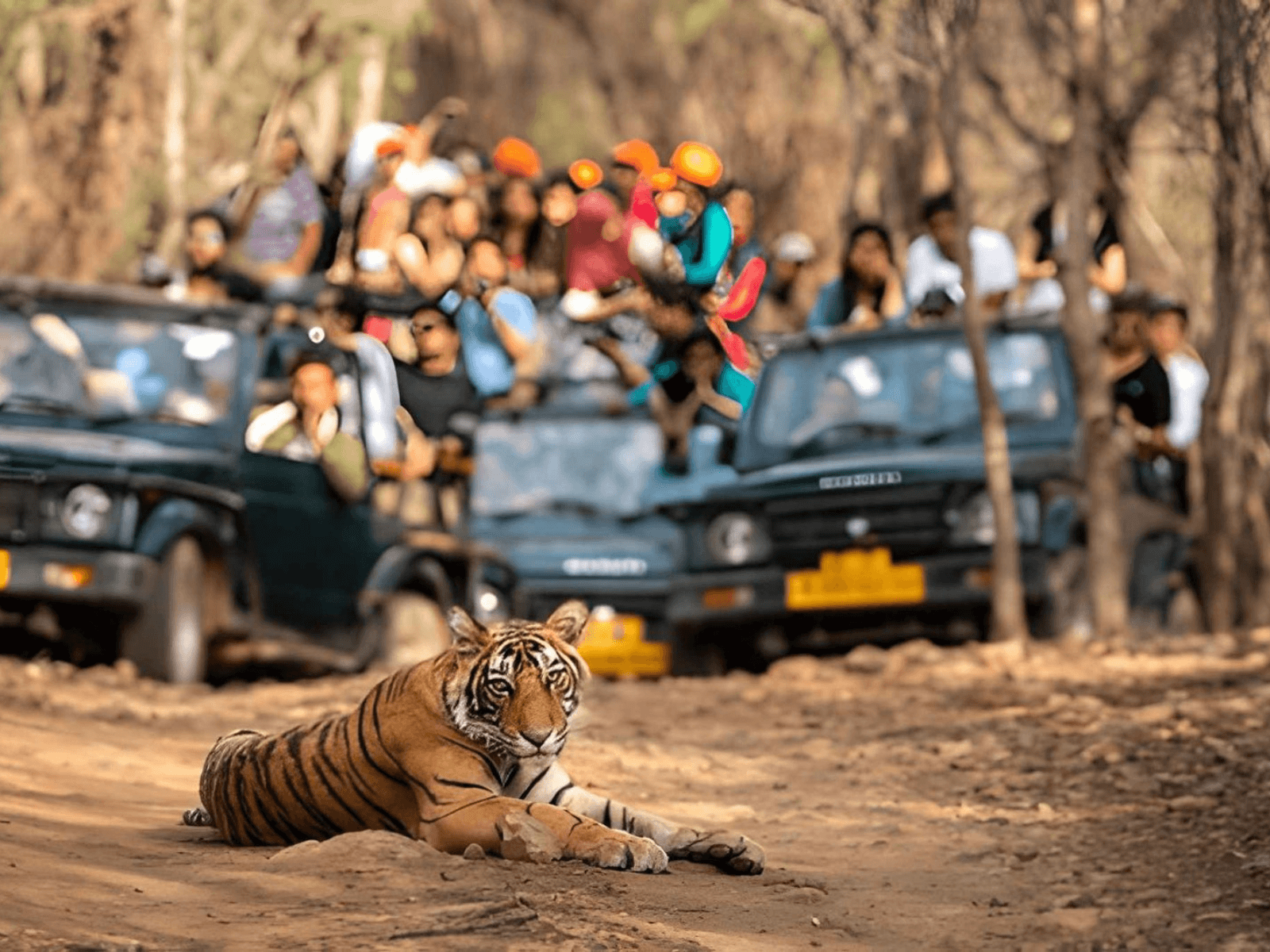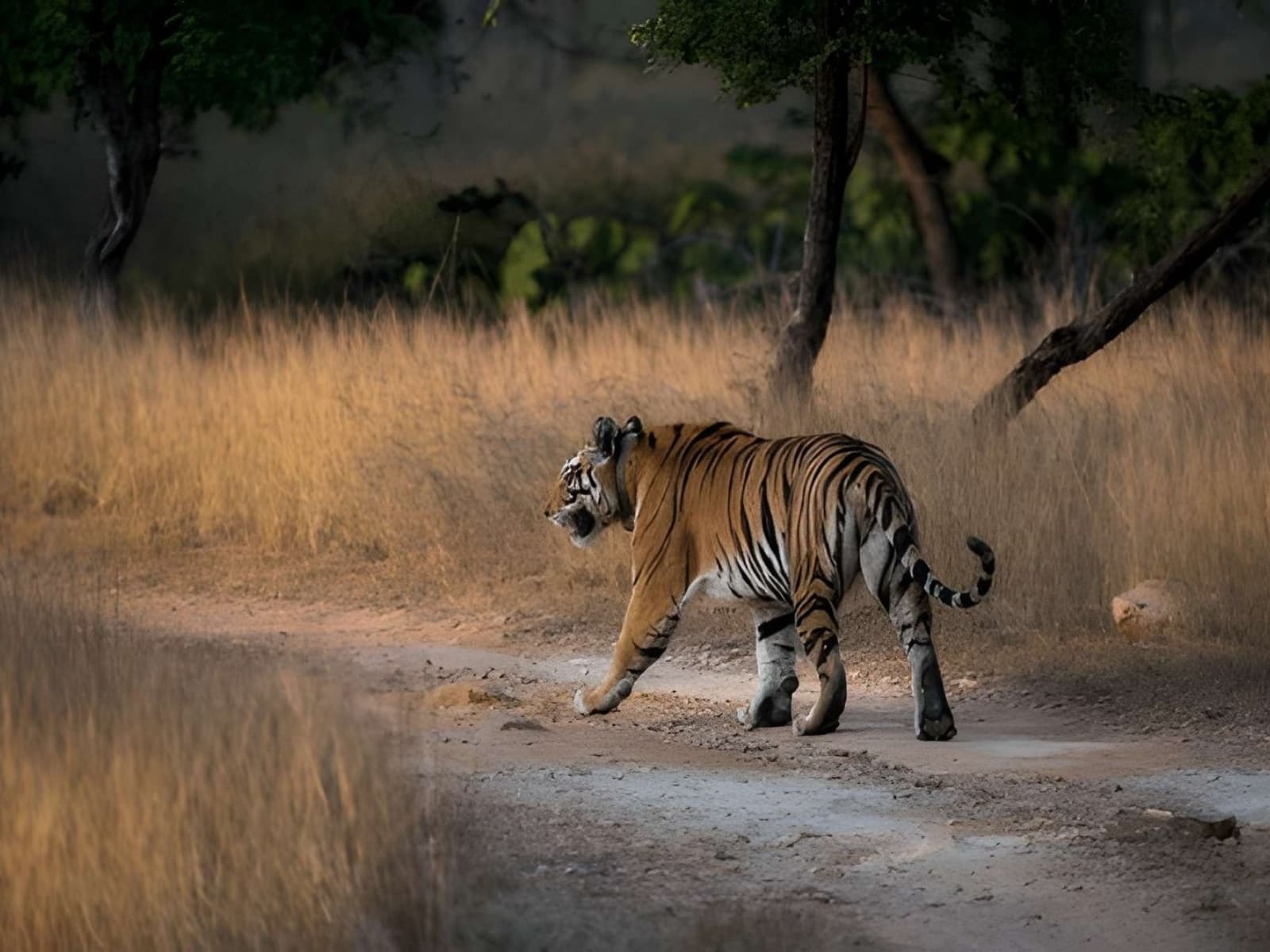
Ranthambore isn't a city you stroll through, it's a wilderness you enter, and that shift in pace is exactly what draws travellers to ranthambore tour packages in the first place. Sprawled across the dry deciduous forests of eastern Rajasthan and anchored by a crumbling 10th-century fort, Ranthambore National Park is one of India's finest tiger reserves, offering the rare thrill of spotting a wild tiger padding past a lakeside ruin. For travellers who want to lock in sightings rather than leave them to chance, early ranthambore safari booking is non-negotiable, permits are limited, zones fill up fast, and the best slots vanish weeks in advance during peak season. Many visitors build their trip around a full Ranthambore tiger safari package, stacking multiple game drives across different zones to maximise their odds of a tiger encounter, while others prefer to keep things immersive and simply book Ranthambore wildlife tour experiences that pair safaris with naturalist-led walks and birdwatching. Knowing the best time to visit ranthambore shapes the whole trip: the cooler months from October to February are gentler on travellers, but the hot, dry stretch from March to June, uncomfortable as it sounds, is when dwindling water sources pull tigers out into the open, making for some of the most rewarding sightings of the year. Given its proximity to the Pink City, a Jaipur to Ranthambore tour package is one of the most popular add-ons for travellers already exploring Rajasthan, and a short, well-timed book Jaipur Ranthambore weekend trip can turn a city itinerary into a full wildlife escape without eating up too many extra days.
- Ranthambore National Park Safari Zones – The heart of the experience, split into ten numbered zones, each with its own terrain, lake systems and resident tiger territories. Knowing the best safari zone in ranthambore for the season you're travelling in can make a real difference to your sighting odds, and naturalists are usually happy to guide first-timers toward the zones performing best that week.
- Ranthambore Fort – A formidable hilltop fort dating back over a thousand years, rising dramatically above the forest and offering sweeping views over the park; its ramparts and temples make it a compelling stop even for travellers whose main focus is wildlife.
- Padam Talao – The park's largest lake, famous for framing tiger sightings against the backdrop of Jogi Mahal, and one of the most photographed spots inside the reserve.
- Jogi Mahal – A historic hunting lodge on the edge of Padam Talao, once used by royalty, now serving as a scenic landmark rather than an active stay.
- Raj Bagh Ruins – Crumbling arched structures rising out of the water near Raj Bagh Talao, giving the park a haunting, almost cinematic quality that photographers particularly love.
- Kachida Valley – A quieter, rockier pocket of the reserve known more for leopard and sloth bear activity than tigers, offering a different rhythm for travellers who've already had their tiger moment.
- Surwal Lake – A wetland area on the park's periphery, popular with birdwatchers for its seasonal migratory species and a peaceful contrast to the intensity of a tiger drive.
- Trinetra Ganesh Temple – A revered temple within the fort complex, drawing pilgrims and receiving letters addressed to the deity for wedding invitations, a curious local tradition worth knowing about.
- Chambal River and Nearby Villages – Among the lesser-known places to visit near ranthambore, offering rural Rajasthan scenery and gharial-spotting boat rides for travellers extending their stay beyond the park.
- Private and Photography-Focused Drives – For serious wildlife photographers, a Ranthambore private gypsy safari package removes the compromises of a shared canter, giving full control over positioning, pace and time spent with a sighting, while an exclusive Ranthambore photography tour typically pairs this with expert guidance on light, timing and zone selection.