
Skip to content
Skip to content

Puskar

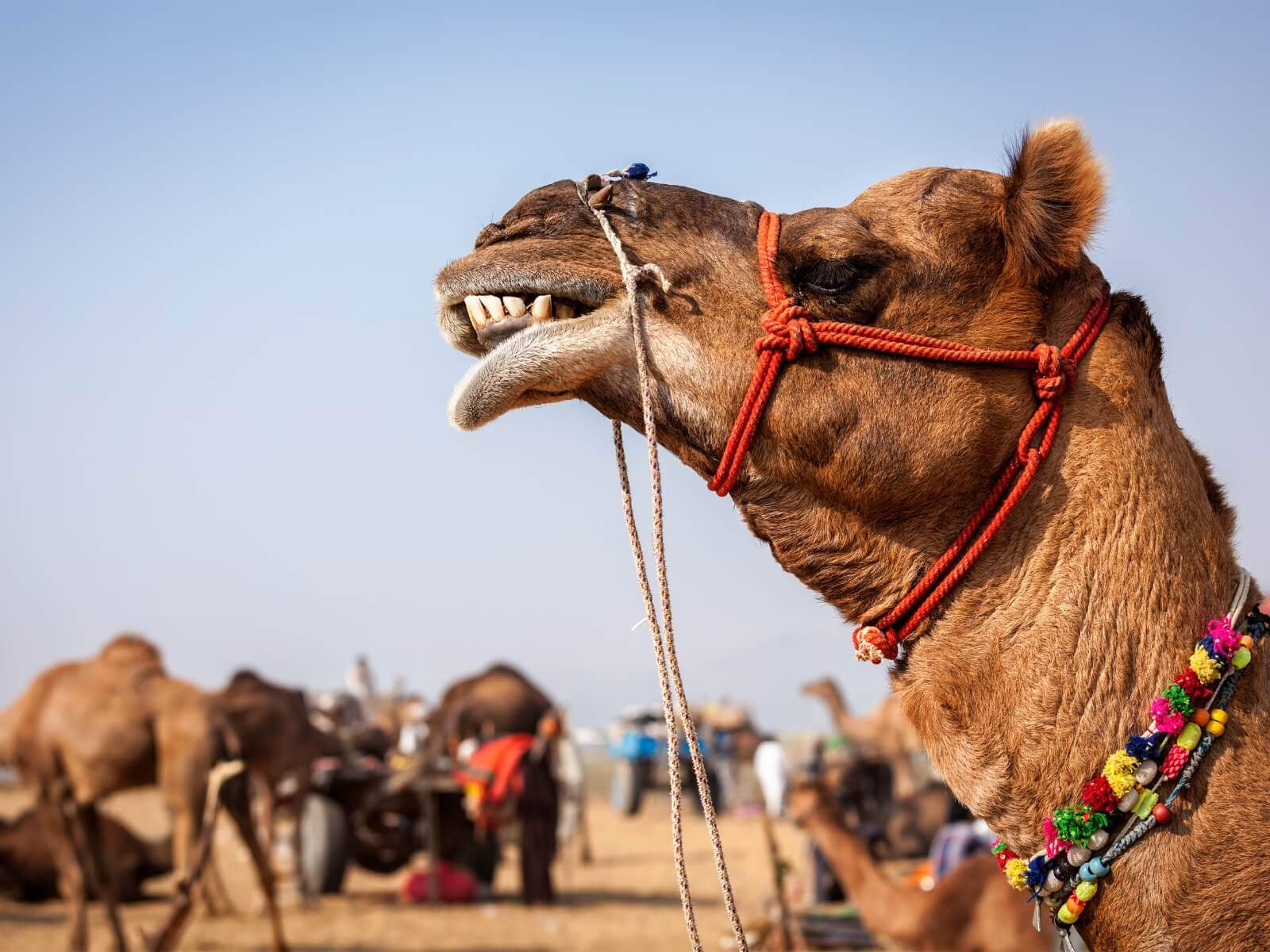
Pushkar Fair Rajasthan, a major North India cultural festival
Pushkar Fair camel gathering
Altitude
510 m
Best season
October–March

About Puskar

Pushkar is a small, sacred lakeside town in Rajasthan, known for its holy lake, ancient Brahma temple and its reputation as one of the most spiritually significant destinations in the state. Travellers browsing pushkar tour packages are drawn to the town's laid-back atmosphere, its 52 bathing ghats and the surrounding sand dunes that make it easy to combine pilgrimage, culture and a taste of the desert in a single short trip. Those researching places to visit in pushkar will find a compact town where the lake, temples and main market are all within easy walking distance, making it well suited to short visits as well as longer, more relaxed stays. The town is especially popular each year around the pushkar camel fair tour season, when the outskirts fill with traders, camels and cattle for one of Rajasthan's most colourful traditional fairs, drawing visitors from across the world. Knowing the best time to visit pushkar matters for comfort, since the town can get quite hot in summer, so most travellers plan around the cooler months, with the camel fair period being an especially popular time to visit despite higher demand for stays. Given its proximity to Jaipur, Pushkar works well as a short getaway, and a Jaipur to Pushkar same day tour is a popular choice for travellers who want to experience the lake town without an overnight stay, while those with more time often prefer a relaxed pushkar itinerary 2 days. The town also offers a good spread of stays, from simple lakeside guesthouses to resorts in pushkar with pool on the outskirts, along with a pushkar desert camp experience for travellers wanting a night under the stars in the surrounding dunes.

  • Pushkar Lake – The town's spiritual centre, ringed by 52 ghats where pilgrims come to bathe, especially significant during festivals and considered one of the holiest lakes in Hinduism. It is typically the focal point of most Pushkar sightseeing itineraries.
  • Brahma Temple – One of the very few temples in the world dedicated to Lord Brahma, marked by its distinctive red spire, and a major pilgrimage site drawing visitors from across the country.
  • Savitri Temple – A hilltop temple dedicated to Brahma's consort, reached by a cable car or a steep climb, offering sweeping views over the town, lake and surrounding desert.
  • Varah Temple – An ancient temple dedicated to Lord Vishnu's boar incarnation, known for its historical significance and quieter, less crowded atmosphere compared to the main ghats.
  • Man Mahal – A former royal guesthouse overlooking Pushkar Lake, now partly used as a heritage hotel, notable for its lakeside architecture and views.
  • Pap Mochani Temple – A hilltop temple on the outskirts of town, associated with the belief that a visit here absolves visitors of their sins, and a good spot for panoramic desert views.
  • Sadar Bazaar – The town's main market, well suited to shopping for silver jewellery, colourful textiles, traditional clothing and handicrafts, and a popular stop among things to do in pushkar.
  • Pushkar Camel Fair Grounds – The open grounds on the edge of town that host the annual camel fair, transforming into a lively hub of trading, folk performances and cultural events during the fair season.
  • Rose Garden – Fields on the outskirts of Pushkar known for cultivating roses used in the local perfume and rose water industry, offering a fragrant, photogenic stop away from the main ghats.
  • Old Rangji Temple – A striking temple built in South Indian style, notable for its tall gopuram and a distinct architectural contrast to the town's other Rajasthani-style temples.
  • Desert Dunes near Pushkar – Sand dunes on the town's edge offering camel rides, jeep safaris and increasingly popular overnight stays at a pushkar desert camp, especially around sunset.
  • Ajmer Sharif Dargah – Located a short drive away in neighbouring Ajmer, this revered Sufi shrine is often visited together with Pushkar as part of a combined spiritual itinerary.
Tours here

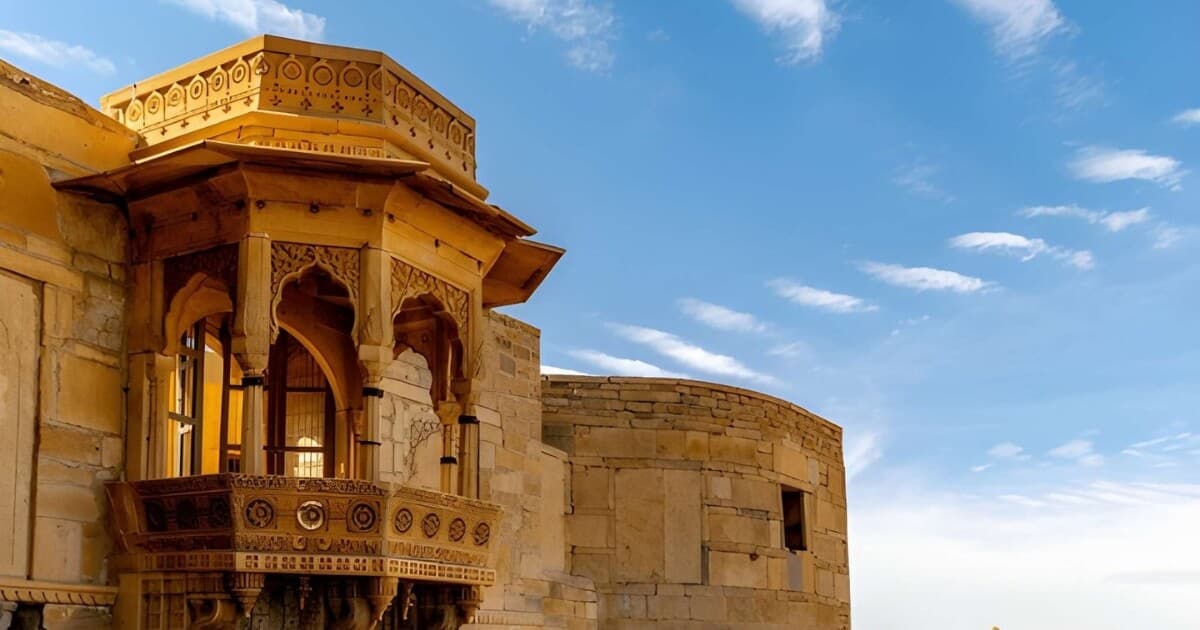
  • Golden sandstone architecture and historic gateway of Jaisalmer Fort Rajasthan

    Rajasthan Desert Tour Package

    • 12 nights / 13 days
    • Bikaner – Jaisalmer – Sam Sand Dunes – Jodhpur – Mount Abu – Udaipur – Chittorgarh – Pushkar – Ajmer – Jaipur

    The **Rajasthan Desert Tour Package** is a spectacular 12 Nights / 13 Days journey covering some of Rajasthan's most fascinating destinations, from the desert cities of Bikaner and Jaisalmer to the royal heritage of Jodhpur, the scenic hills of Mount Abu and the romantic lakes of Udaipur. Begin in Bikaner with its magnificent **Junagarh Fort, Lalgarh Palace and historic old city** before travelling to Jaisalmer, the Golden City. Explore Jaisalmer Fort, beautifully carved havelis and Gadisar Lake before heading to **Sam Sand Dunes** for a memorable Thar Desert sunset and optional camel safari or jeep safari. Continue to Jodhpur, the Blue City, to discover **Mehrangarh Fort, Jaswant Thada, Umaid Bhawan Palace and the colourful Clock Tower market**. The journey then moves to Mount Abu, Rajasthan's only hill station, featuring Dilwara Jain Temples, Nakki Lake and scenic viewpoints. Udaipur adds a romantic touch with **City Palace, Lake Pichola, Jagdish Temple, Saheliyon Ki Bari and Fateh Sagar Lake**. Continue to historic Chittorgarh to explore its legendary fort before visiting Pushkar and Ajmer, including Pushkar Lake, Brahma Temple and Ajmer Sharif. The tour concludes in Jaipur with its magnificent forts, palaces and colourful bazaars. This **Rajasthan Tour Package** is ideal for families, couples, friends and groups looking for a complete combination of desert, heritage, culture, spirituality and scenic Rajasthan.

    From ₹28,990 per person, based on 4 guests

    Final price depends on your dates and group size.

    View tour

Getting to Puskar

By air

The nearest airport with regular connectivity is Kishangarh (Ajmer) Airport, located roughly 25 km from Pushkar, with domestic flights to select cities; Jaipur International Airport, around 145 km away, offers a wider range of connections and is also commonly used by travellers heading to Pushkar. Taxis are available at both airports for the onward drive.

By rail

Pushkar has a small railway station with limited connectivity, so most travellers arrive via Ajmer Junction, a major railway station roughly 15 km away with strong connections to Delhi, Jaipur, Udaipur and other major cities. Taxis and auto-rickshaws are readily available at Ajmer station for the short drive on to Pushkar.

By road

Pushkar is well connected by road to Jaipur, Ajmer and Udaipur, and is a popular short drive for travellers based in Jaipur, commonly booked as a jaipur to pushkar tour package for a day trip or a relaxed overnight stay. For a more comfortable, door-to-door journey, many travellers prefer a private cab Jaipur to Pushkar package, while local taxis and auto-rickshaws are easily available within the town itself for getting around the lake, temples and market.

Permits & documents

No special permit is generally required for visiting Pushkar for ordinary tourist activities. It's worth noting that Pushkar is considered a holy town, and the sale and consumption of meat, eggs and alcohol is prohibited within the municipal limits, so travellers should plan their meals accordingly.

Where to stay in Puskar

  • Around Pushkar Lake and the Ghats – Best suited to travellers who want to be within walking distance of the temples, ghats and Sadar Bazaar, with a mix of simple guesthouses and boutique lakeside hotels.
  • Sadar Bazaar and town centre – Convenient for travellers who want easy access to shopping, cafes and the main sightseeing points on foot, with a range of budget and mid-range stays.
  • Outskirts resort belt – Home to several resorts in pushkar with pool, offering more space, greenery and amenities than the compact lakeside guesthouses, well suited to families and travellers wanting a quieter base.
  • Desert dune camps – Suited to travellers planning an overnight desert excursion, with seasonal tented camps offering camel safaris, bonfires and stargazing just outside the town.
  • Near Ajmer – Practical for travellers combining Pushkar with a visit to the Ajmer Sharif Dargah, with a wider range of hotel options available in Ajmer town itself.

Frequently asked questions

How much does a trip to Pushkar cost?

Trip costs vary depending on the choice of stay, mode of travel and time of year, with simple lakeside guesthouses being considerably more affordable than resorts in pushkar with pool or a desert camp stay; costs also tend to rise during the camel fair season given higher demand, and most pushkar tour packages are available across a range of budgets.

Which month is best to visit Pushkar?

The best time to visit pushkar is generally between October and March, when the weather is cooler and more comfortable for sightseeing and walking around the ghats; the camel fair, usually held in November, is a particularly popular time to visit despite the higher footfall.

How many days are sufficient for Pushkar?

One to two days is generally sufficient to cover Pushkar's core sights, including the lake, Brahma Temple, Savitri Temple and Sadar Bazaar, making a pushkar itinerary 2 days a comfortable and popular choice, especially when combined with a short excursion to the desert dunes.

Which is better, Pushkar or Jaipur?

Pushkar and Jaipur offer very different experiences: Jaipur is a large city known for its forts, palaces and bustling bazaars, while Pushkar is a small, spiritual lakeside town centred around its temples and ghats. Many travellers visit both, often combining a jaipur to pushkar tour package as part of a wider Rajasthan trip rather than choosing one over the other.

Is Pushkar safe at night?

Pushkar is generally considered a safe town for tourists, including in the evenings, with the areas around the main ghats and Sadar Bazaar typically busy and well lit; as with any destination, it's advisable to stick to populated areas and avoid isolated stretches near the desert outskirts after dark.

What are the best things to buy in Pushkar?

Pushkar is known for silver jewellery, colourful textiles, tie-dye clothing, leather goods and rose-based products such as rose water and perfumes, with Sadar Bazaar being the main hub for shopping in the town.

Can we drink alcohol in Pushkar?

Alcohol is not permitted to be sold or consumed within Pushkar's municipal limits, given the town's status as a sacred pilgrimage site; travellers looking for alcohol typically need to head to nearby Ajmer or other neighbouring towns.

What are the top 5 places to visit in Pushkar?

Among the many places to visit in pushkar, Pushkar Lake, Brahma Temple, Savitri Temple, Sadar Bazaar and the desert dunes on the town's outskirts are typically considered the top five, together capturing the town's spiritual, cultural and desert-edge character.

What should I wear in Pushkar?

Modest, respectful clothing is recommended in Pushkar given its religious significance, particularly around the ghats and temples, with shoulders and knees ideally covered; light, breathable fabrics work well for the daytime heat, with a light layer useful for cooler evenings.

Can you eat meat in Pushkar?

Meat and eggs are not sold within Pushkar's municipal limits, in keeping with the town's status as a vegetarian holy site, so travellers looking for non-vegetarian food typically need to head to nearby Ajmer.

Which city is located closest to Pushkar?

Ajmer is the closest major city to Pushkar, located roughly 15 km away, and is commonly visited together with Pushkar as part of a combined Ajmer pushkar tour package covering both the lake town and the Ajmer Sharif Dargah.

What to do in Pushkar at night?

Popular evening options in Pushkar include a peaceful walk around the illuminated ghats, browsing the stalls and cafes of Sadar Bazaar, and for those staying near the dunes, a desert camp evening with bonfires and folk music forms the core of things to do in pushkar after dark.