
Skip to content
Skip to content

Kumbhalgarh

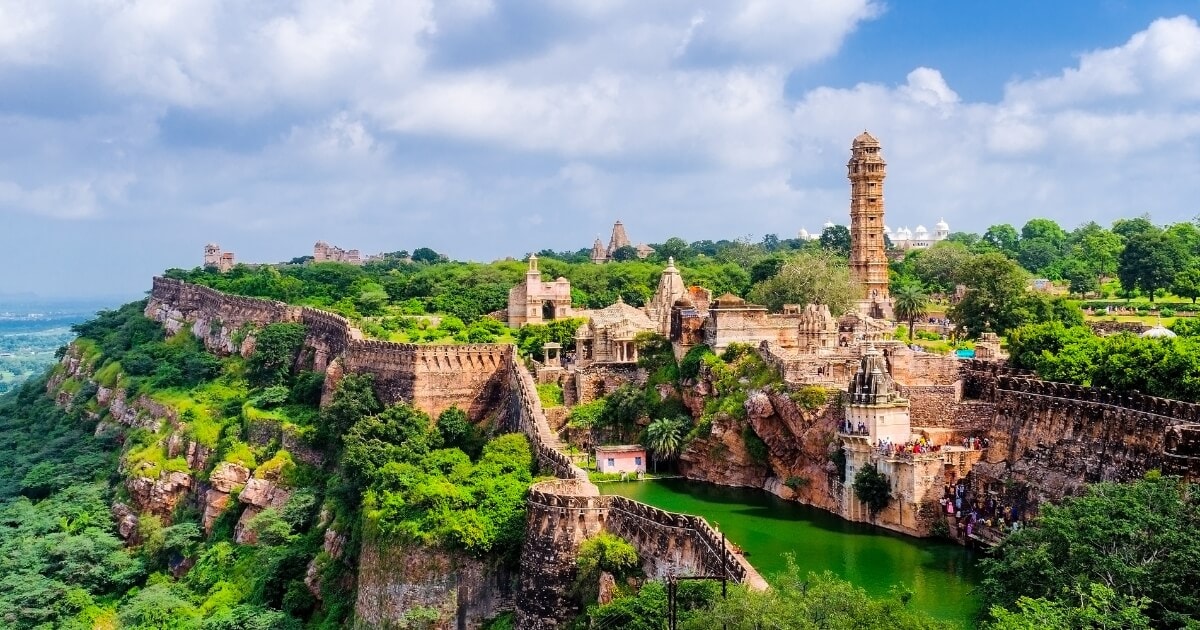
Kumbhalgarh Fort in Rajasthan with massive stone walls, historic palaces and scenic Aravalli Hills
Kumbhalgarh Fort Rajasthan – Majestic Historic Fortress
Altitude
1,100 m
Best season
October–March

About Kumbhalgarh

Rising dramatically out of the Aravalli hills, Kumbhalgarh is best known for one staggering fact: its perimeter wall stretches for roughly 36 kilometers, making it the second-longest continuous wall in the world after the Great Wall of China, and earning it the nickname "the Great Wall of India." Travelers searching for kumbhalgarh tour packages are usually drawn first by this sheer scale, but the fort itself holds plenty more — over 360 temples within its walls, a birthplace connection to the legendary Rajput king Maharana Pratap, and sweeping views across the surrounding hills that stretch for miles in every direction. Travelers who combine the fort with nearby marble temples on a kumbhalgarh ranakpur tour package typically call it one of the most rewarding half-day circuits in the region. Most visitors base themselves in Udaipur and treat Kumbhalgarh as a day trip, and a well-timed udaipur to kumbhalgarh day trip is one of the most popular excursions out of the city, often combined with a stop at the intricately carved Jain temples of Ranakpur along the same route. Anyone researching places to visit in kumbhalgarh will also find the adjoining Kumbhalgarh Wildlife Sanctuary, home to leopards, wolves, and a wide range of birdlife, giving the destination a genuine wildlife dimension beyond its architecture. Between the fort's evening light and sound show, its temple complex, and the surrounding sanctuary, Kumbhalgarh rewards travelers with at least a full day, if not an overnight stay.

  • Kumbhalgarh Fort Wall – The star attraction, this 36-km fortified wall winds along the ridgeline and is wide enough in places to have famously accommodated eight horses riding abreast.
  • Badal Mahal (Cloud Palace) – Perched at the fort's highest point, this palace offers panoramic views over the Aravalli range and is considered the finest interior within the complex.
  • Kumbhalgarh Fort Light and Sound Show – Held every evening, this narrated show brings the fort's history to life against its illuminated ramparts, and travelers searching for the kumbhalgarh fort light and sound show should plan to arrive with enough daylight left to explore the grounds beforehand.
  • Ranakpur Jain Temples – Roughly an hour from Kumbhalgarh, these marble temples are famous for over 1,400 intricately carved pillars, no two identical, and are almost always paired with Kumbhalgarh on a single circuit.
  • Kumbhalgarh Wildlife Sanctuary – Surrounding the fort, this sanctuary is home to leopards, sloth bears, wolves, and over 200 bird species, and a proper kumbhalgarh wildlife sanctuary safari is one of the best ways to experience Rajasthan's wilder side beyond its forts and palaces. Travelers who book Kumbhalgarh jungle safari slots in advance tend to have the best luck with sightings, since early morning and late afternoon drives are consistently the most active times for wildlife.
  • Temple Complex Within the Fort – With over 360 temples scattered across the fort grounds, including the striking Neelkanth Mahadev Temple, the complex rewards slow exploration rather than a rushed walkthrough.
  • Vedi Temple – A three-story Jain temple within the fort walls, notable for its unusual architecture and quieter atmosphere compared to the fort's busier sections.
  • Sunset Views from the Ramparts – Late afternoon light over the surrounding hills, seen from the fort's upper walls, is consistently ranked among the most memorable experiences travelers describe, and a favorite among things to do in kumbhalgarh for photographers.

Tours here

No tours published for Kumbhalgarh just yet.

We plan every itinerary to order — tell us where you want to go and when.

Getting to Kumbhalgarh

By air

The nearest airport is Maharana Pratap Airport in Udaipur, roughly 85 km away, with onward travel by road taking around two to two and a half hours.

By rail

Udaipur is also the nearest major railhead, well connected to Delhi, Mumbai, Ahmedabad, and other major cities, with private cabs or organized tours covering the final stretch to Kumbhalgarh by road.

By road

Kumbhalgarh is most commonly reached via a scenic drive from Udaipur, and an Udaipur to Kumbhalgarh day tour typically covers the fort and Ranakpur together within a single day. Travelers who'd rather not backtrack the same evening often prefer a proper book Kumbhalgarh weekend getaway instead, staying overnight near the fort to catch both the light and sound show and an early wildlife safari the next morning.

Permits & documents

No special permit is required to visit Kumbhalgarh Fort itself, only a standard entry ticket available at the gate. For the Kumbhalgarh Wildlife Sanctuary, jeep safaris require advance booking through the forest department or a registered tour operator, along with a valid photo ID, and slots are limited, so booking ahead is strongly recommended during peak season.

Where to stay in Kumbhalgarh

Several properties near the fort offer genuinely striking views back toward the ramparts, and our resorts in kumbhalgarh with fort view selection is built specifically around this vantage point, ideal for travelers who want the fort visible from their room or terrace. For a fuller heritage experience, our luxury Kumbhalgarh holiday pairs one of these fort-view stays with private guiding across both the fort and Ranakpur, while more budget-conscious travelers will find simpler guesthouses clustered closer to the main village road. Travelers looking to go further can extend their stay into a complete Mewar heritage package covering Udaipur and Chittorgarh alongside Kumbhalgarh, since the three sit naturally along the same historic Mewar route, and this broader Rajasthan heritage fort tour remains one of the most requested multi-city circuits for first-time visitors to the region.

Frequently asked questions

What is famous about Kumbhalgarh?

Kumbhalgarh is most famous for its massive fortified wall, stretching roughly 36 kilometers and ranking as the second-longest continuous wall in the world, which has earned it the nickname "the Great Wall of India." It's also historically significant as the birthplace of Maharana Pratap, one of Rajasthan's most celebrated Rajput rulers.

Is 1 day enough for Kumbhalgarh?

Yes, one day is generally enough to explore the fort, its temple complex, and the evening light and sound show, especially if visiting as a day trip from Udaipur. If you also want to include Ranakpur's temples or a wildlife safari, a single day will feel rushed, and a proper kumbhalgarh itinerary 2 days with an overnight stay is a better fit.

What are the best places to visit in Kumbhalgarh?

The fort wall itself, Badal Mahal, the Neelkanth Mahadev Temple, and the Kumbhalgarh Wildlife Sanctuary are the destination's essential highlights, covering both its architectural scale and its natural surroundings. Ranakpur's Jain temples, while technically a separate site nearby, are almost always included in the same itinerary given their proximity.

Is Kumbhalgarh safari worth visiting?

Yes, the Kumbhalgarh Wildlife Sanctuary safari is well worth adding to your itinerary, offering a genuine chance to spot leopards, wolves, and a wide variety of birdlife against a dramatic Aravalli backdrop. It also provides a welcome contrast to the fort's architecture, giving the trip a more complete sense of the region beyond its historic monuments.

Which is better, Kumbhalgarh or Mount Abu?

Kumbhalgarh offers a more history-focused, architecturally dramatic experience centered on its fort and wildlife sanctuary, while Mount Abu leans toward a cooler hill-station atmosphere with lakes and a more relaxed pace. Travelers with an interest in forts and wildlife tend to prefer Kumbhalgarh, while those seeking a classic hill-station escape often lean toward Mount Abu.

Which month is best to visit Kumbhalgarh?

November through February offers the most comfortable temperatures for exploring the fort's exposed ramparts and joining a wildlife safari. October and March are also solid choices, providing slightly warmer but still manageable conditions before the onset of Rajasthan's intense summer heat.

Which is better, Udaipur or Kumbhalgarh?

Udaipur offers considerably more in terms of palaces, lakes, dining, and overall infrastructure, making it the better choice for a longer, more varied stay, while Kumbhalgarh is a more focused, dramatic day trip centered on its fort and wildlife. Most travelers don't need to choose between the two, since Kumbhalgarh is most commonly visited as an excursion from a Udaipur base.

What is the best time to visit Kumbhalgarh Fort?

Late afternoon into early evening is widely considered the best time to visit, allowing you to explore the fort in cooler light before staying on for the evening light and sound show. Morning visits are also pleasant and considerably less crowded than midday, particularly if combined with an early wildlife safari beforehand.