Skip to content
Skip to content

Bikaner

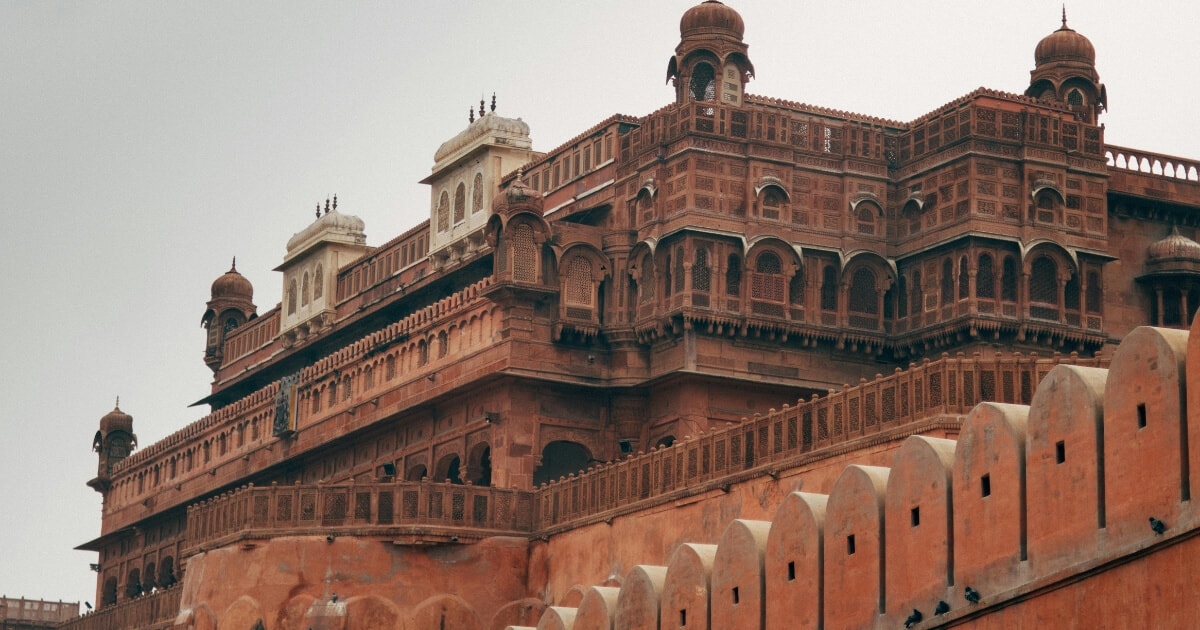
Junagarh Fort in Bikaner featuring magnificent red sandstone architecture, ornate balconies and traditional Rajput design
Junagarh Fort Bikaner – Magnificent Rajasthan Heritage
Altitude
242 m
Best season
October–March

About Bikaner

Founded in 1488 by Rao Bika, Bikaner has long stood apart from Rajasthan's more famous desert cities, carrying its own distinct identity built on camel breeding, red sandstone architecture, and a culinary reputation that extends well beyond state borders. Travelers browsing bikaner tour packages are usually drawn by Junagarh Fort, one of the few major Rajasthani forts never taken by siege, its unbreached walls now sheltering ornate palaces, mirrored halls, and an extraordinary weapons collection. Those who book Bikaner city sightseeing tour transfers in advance typically find it far easier to navigate between the fort, old city, and outlying temples without wasting time arranging transport on the spot. The city's old quarter unfolds in narrow lanes lined with intricately carved red sandstone havelis, built by wealthy merchant families whose trading networks once stretched across Central Asia along ancient camel routes. A short drive outside the city, the unusual Karni Mata Temple at Deshnok draws visitors from around the world, its thousands of resident rats considered sacred rather than a curiosity to be avoided. Anyone researching places to visit in bikaner will also find the city serves as a natural stop on the wider desert circuit, and many travelers now extend their trip into a full bikaner jaisalmer tour package to cover both cities' distinct takes on Rajasthan's desert heritage in a single journey. Between its fort, its food, and its genuinely offbeat attractions, Bikaner rewards travelers willing to look past Rajasthan's more heavily marketed cities.

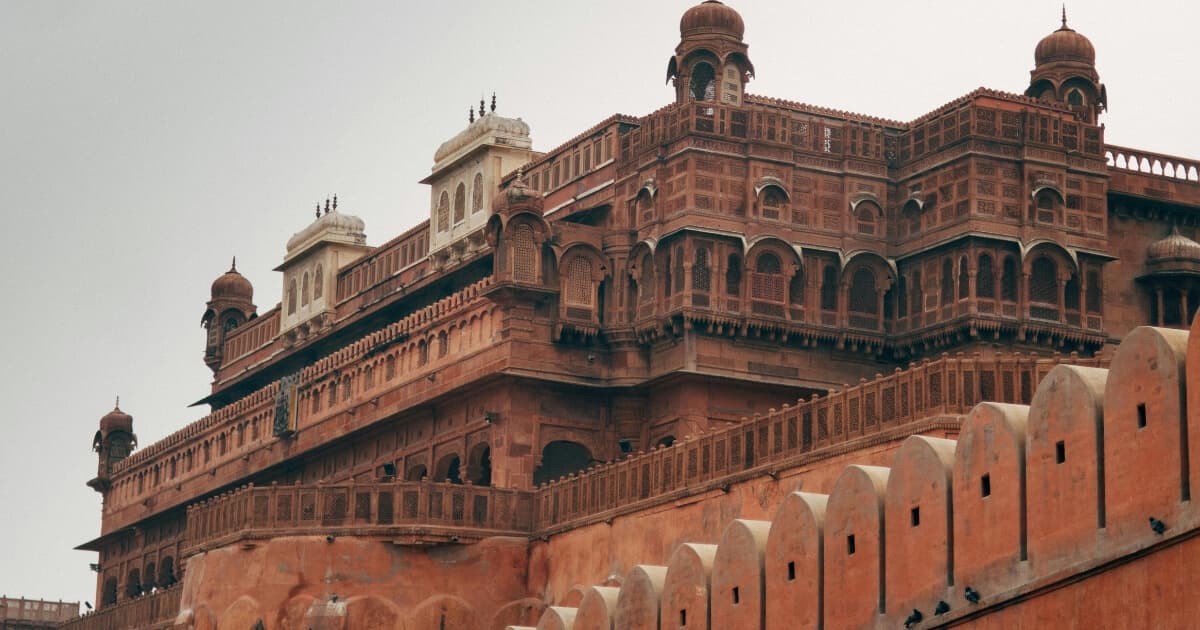
  • Junagarh Fort – Built in the late 16th century and remarkably never conquered by force, this fort's interior palaces are among the most opulent in Rajasthan, and a well-guided junagarh fort tour bikaner covers everything from the mirrored Anup Mahal to the fort's impressive vintage aircraft and weapons collection.
  • Karni Mata Temple, Deshnok – Roughly 30 km from the city, this temple houses thousands of rats considered sacred incarnations of Karni Mata's descendants, and a proper karni mata temple deshnok tour offers a genuinely unique cultural experience unlike anything else in Rajasthan.
  • Bikaner's Old City Havelis – The narrow lanes of the old city are lined with red sandstone mansions carved with extraordinary detail, reflecting the wealth of Bikaner's historic merchant families.
  • Camel Breeding Farm – Home to the National Research Centre on Camel, this is one of the few places in the world dedicated entirely to camel breeding and research, and a visit here is consistently ranked among the most memorable things to do in bikaner.
  • Lalgarh Palace – Built in red sandstone in the early 20th century, this palace blends Rajput, Mughal, and European architectural styles, and part of it now operates as a heritage hotel open to visitors.
  • Gajner Palace – Set on the edge of a lake roughly 30 km from the city, this former royal hunting retreat offers a peaceful Gajner palace day excursion, especially rewarding for birdwatchers during migratory season.
  • Bikaner Desert Safari and Dunes – The dunes surrounding the city offer a quieter, less crowded alternative to Rajasthan's more famous desert stretches, and well-organized bikaner desert safari packages typically include a camel or jeep ride alongside a cultural evening.
  • Rampuria Havelis – A cluster of particularly elaborate merchant havelis in the old city, considered some of the finest examples of Bikaner's distinctive carved sandstone style.
  • Bhandasar and Sandeshwar Jain Temples – Notable for their detailed frescoes and mirror work, these temples offer a quieter counterpoint to the busier fort and market areas.
  • Bikaner's Culinary Scene – Famous across India for bhujia and rasgulla, Bikaner's food culture is worth building time into any itinerary, whether through a market walk or a dedicated food tour.
  • Prachina Museum – Located within Junagarh Fort, this compact museum showcases royal textiles, jewelry, and everyday royal-era artifacts, offering useful context for the rest of the fort visit.
Tours here

  • Junagarh Fort in Bikaner featuring magnificent red sandstone architecture, ornate balconies and traditional Rajput design
    Featured

    Royal Rajasthan Grand Tour

    • 13 nights / 14 days
    • Delhi – Mandawa – Bikaner – Jaisalmer – Jodhpur – Udaipur – Jaipur – Agra – Delhi

    The **Rajasthan Grand Tour Package** is a spectacular 13 Nights / 14 Days journey designed for travellers who want to experience the diverse heritage, culture and landscapes of Rajasthan along with Delhi and Agra. The route covers **Delhi, Mandawa, Bikaner, Jaisalmer, Jodhpur, Udaipur, Jaipur and Agra**, creating a comprehensive North India holiday. Begin in Delhi with its historic landmarks before travelling to Mandawa, known for its beautifully painted **Shekhawati havelis**. Continue to Bikaner to discover Junagarh Fort and the city's royal heritage, followed by Jaisalmer's magnificent golden architecture, historic havelis and the spectacular **Sam Sand Dunes**. The journey then takes you to Jodhpur, the Blue City, with its imposing **Mehrangarh Fort**, before continuing to romantic Udaipur, where lakes, palaces and gardens create a completely different Rajasthan experience. Jaipur brings the grandeur of the Pink City, including **Amber Fort, City Palace, Jantar Mantar and Hawa Mahal**. The final leg includes Agra, with a visit to historic Fatehpur Sikri and the magnificent **Taj Mahal** before returning to Delhi. With private AC transportation, comfortable accommodation, breakfast and dinner, this **Rajasthan Grand Tour** is ideal for families, couples, friends and groups seeking an extensive Rajasthan holiday covering heritage, culture, desert landscapes and iconic monuments.

    From ₹44,999 per person, based on 4 guests

    Final price depends on your dates and group size.

    View tour
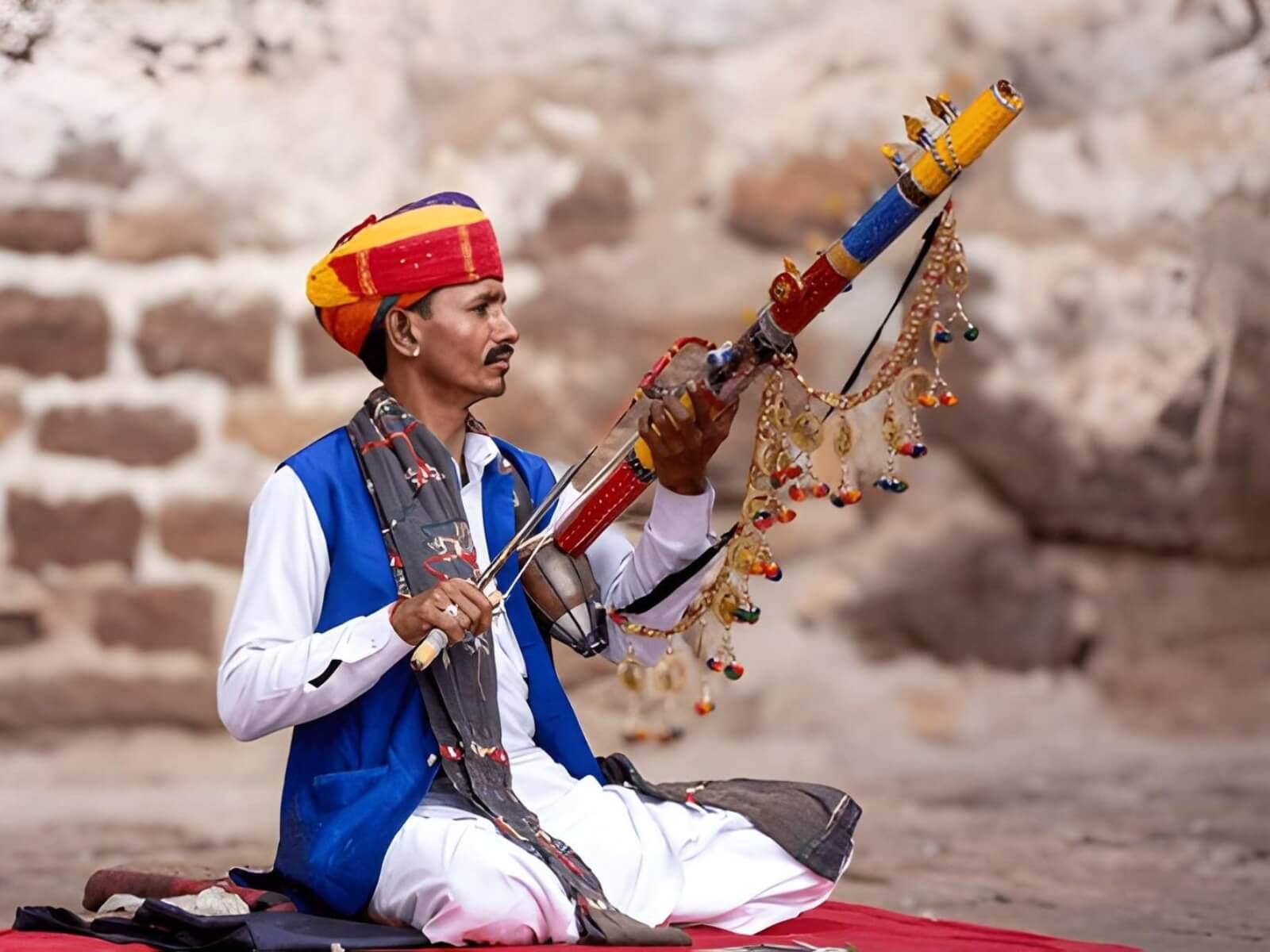
  • Traditional Rajasthani folk musician performing with a string instrument

    Bikaner Camel Country Tour

    • 2 nights / 3 days
    • Bikaner – Deshnok – Bikaner

    The **Bikaner Camel Safari Tour Package** is a 2 Nights / 3 Days Rajasthan holiday combining royal heritage, desert experiences and local culture. Starting and ending in Bikaner, this **Bikaner Tour Package** is designed for travellers who want to explore the historic charm of the city while enjoying an authentic desert experience. The journey begins with a visit to the magnificent **Junagarh Fort**, known for its grand palaces, courtyards and museums, followed by the Prachina Museum and Bikaner's colourful old-city markets. Day 2 takes you to **Deshnok's famous Karni Mata Temple**, popularly known as the Rat Temple. The tour then continues to the National Research Centre on Camel, where travellers can learn about camel breeding and research activities. The highlight of the day is a **camel safari through the sandy landscape around Bikaner**, generally planned during the cooler afternoon or evening hours. The final day includes visits to **Rampuria Haveli** and the historic Kote Gate area, offering opportunities for architecture, local shopping and souvenir hunting before departure. Ideal for families, couples and small groups, this **Bikaner Camel Safari Tour** offers a comfortable introduction to Rajasthan's desert culture, royal history and traditional heritage.

    From ₹7,999 per person, based on 4 guests

    Final price depends on your dates and group size.

    View tour
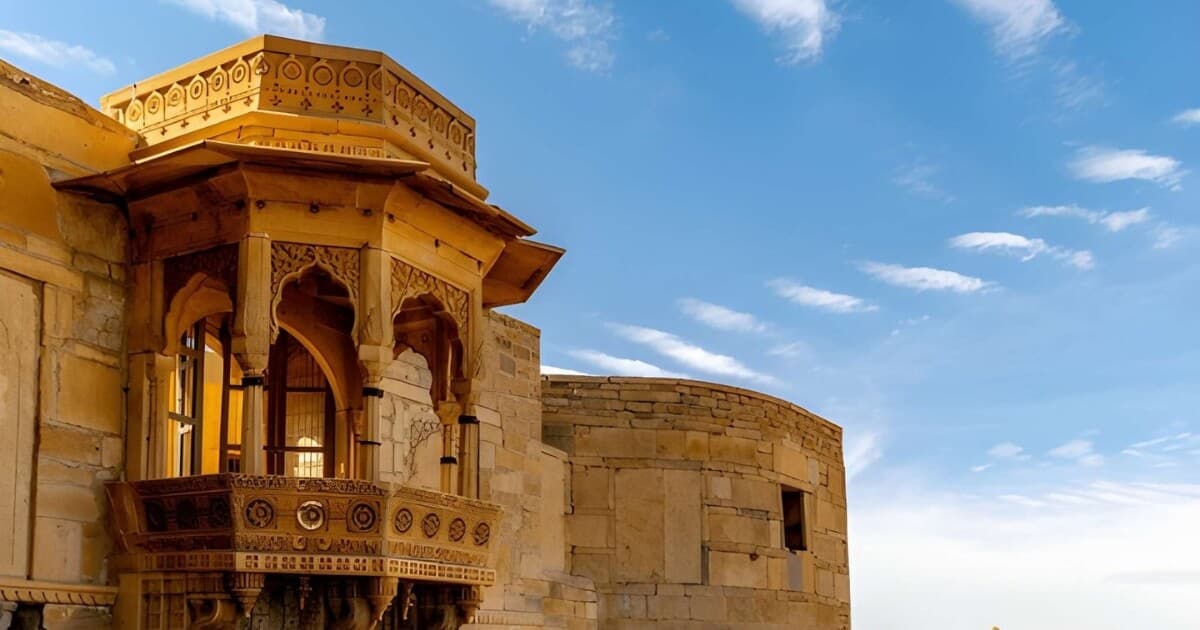
  • Golden sandstone architecture and historic gateway of Jaisalmer Fort Rajasthan

    Rajasthan Desert Tour Package

    • 12 nights / 13 days
    • Bikaner – Jaisalmer – Sam Sand Dunes – Jodhpur – Mount Abu – Udaipur – Chittorgarh – Pushkar – Ajmer – Jaipur

    The **Rajasthan Desert Tour Package** is a spectacular 12 Nights / 13 Days journey covering some of Rajasthan's most fascinating destinations, from the desert cities of Bikaner and Jaisalmer to the royal heritage of Jodhpur, the scenic hills of Mount Abu and the romantic lakes of Udaipur. Begin in Bikaner with its magnificent **Junagarh Fort, Lalgarh Palace and historic old city** before travelling to Jaisalmer, the Golden City. Explore Jaisalmer Fort, beautifully carved havelis and Gadisar Lake before heading to **Sam Sand Dunes** for a memorable Thar Desert sunset and optional camel safari or jeep safari. Continue to Jodhpur, the Blue City, to discover **Mehrangarh Fort, Jaswant Thada, Umaid Bhawan Palace and the colourful Clock Tower market**. The journey then moves to Mount Abu, Rajasthan's only hill station, featuring Dilwara Jain Temples, Nakki Lake and scenic viewpoints. Udaipur adds a romantic touch with **City Palace, Lake Pichola, Jagdish Temple, Saheliyon Ki Bari and Fateh Sagar Lake**. Continue to historic Chittorgarh to explore its legendary fort before visiting Pushkar and Ajmer, including Pushkar Lake, Brahma Temple and Ajmer Sharif. The tour concludes in Jaipur with its magnificent forts, palaces and colourful bazaars. This **Rajasthan Tour Package** is ideal for families, couples, friends and groups looking for a complete combination of desert, heritage, culture, spirituality and scenic Rajasthan.

    From ₹28,990 per person, based on 4 guests

    Final price depends on your dates and group size.

    View tour

Getting to Bikaner

By air

Bikaner's Nal Airport has limited connectivity, so most travelers instead fly into Jaipur or Jodhpur and continue on by road or rail, a journey of roughly five to six hours from Jaipur.

By rail

Bikaner Junction is well connected by direct trains to Delhi, Jaipur, and Jodhpur, making rail one of the more comfortable ways to reach the city, particularly for overnight journeys from Delhi.

By road

Bikaner sits at a natural crossroads of the desert circuit, roughly 330 km from Jaipur and 250 km from Jodhpur, with well-maintained highways connecting it to both. Travelers extending their trip further west often combine the drive with the rest of the region on a book Rajasthan desert triangle covering Jodhpur, Jaisalmer, and Bikaner together, since the road connections between all three cities are frequent and reliable.

Permits & documents

No special permits are required for Indian or international travelers visiting Bikaner's forts, temples, or markets, as the city sits entirely within regular tourist zones. Standard entry tickets apply at Junagarh Fort and Karni Mata Temple, and carrying a valid photo ID is recommended for hotel check-ins.

Where to stay in Bikaner

For travelers who want genuine palace character, our heritage hotels in bikaner selection includes portions of Lalgarh Palace itself, alongside several converted havelis in the old city that retain their original carved facades and courtyards. A fuller luxury Bikaner heritage tour pairs one of these heritage stays with private guiding across the fort, temple, and desert dunes, giving travelers a more complete sense of the city than a rushed day visit allows. Travelers drawn to the offbeat desert side of Bikaner can also book Bikaner desert camp stays just outside the city, combining a quieter dune setting with the same cultural evening programming found in more famous desert destinations, but with noticeably fewer crowds.

Frequently asked questions

What is the famous of Bikaner?

Bikaner is most famous for Junagarh Fort, its distinctive red sandstone architecture, the unusual rat temple at Karni Mata, and its camel breeding heritage, along with a culinary reputation built around bhujia and rasgulla. Together these give the city a genuinely different character from Rajasthan's more visited destinations like Jaipur and Udaipur.

Is 2 days enough for Bikaner?

Yes, two days is generally enough to comfortably cover Junagarh Fort, the old city havelis, and a half-day excursion to Karni Mata Temple or the camel breeding farm. A well-paced bikaner itinerary 2 days allows time for both the city's core sights and at least one offbeat addition without feeling rushed.

What are the top 5 tourist places in Bikaner?

Junagarh Fort, Karni Mata Temple, Lalgarh Palace, the National Research Centre on Camel, and the old city's Rampuria Havelis consistently rank as Bikaner's five essential sights. Together they cover the city's royal history, its unusual religious heritage, and its distinctive architectural style.

What to do in Bikaner in 1 day?

With a single day, prioritize Junagarh Fort in the morning, followed by lunch and a walk through the old city havelis, then head out to Karni Mata Temple in Deshnok for the afternoon. This route covers the city's most essential experiences while keeping travel time between sites manageable.

Which is better, Bikaner or Jodhpur?

Jodhpur offers considerably more infrastructure, dining, and shopping alongside its iconic Blue City views, making it a stronger choice for a longer, more varied stay, while Bikaner offers a quieter, more offbeat experience centered on its fort, temple, and food culture. Travelers with time for both often find Bikaner's slower pace a refreshing contrast after Jodhpur's busier tourist circuit.

What is famous in Bikaner to buy?

Bikaneri bhujia is by far the city's most famous local product, sold in shops throughout the old city and widely regarded as the best version available anywhere in India. Traditional textiles, camel leather goods, and miniature paintings are also popular souvenirs, particularly from shops around the old city market lanes.

What food is Bikaner famous for?

Bikaner is best known for bhujia, a spiced gram-flour snack that has become synonymous with the city's name across India, alongside rasgulla, which some claim originated here rather than in Bengal. Beyond these two signature items, the city's markets offer a range of traditional Rajasthani sweets and savory snacks well worth exploring during any visit.

Why is Bikaner called Red City?

Bikaner's association with red comes from the widespread use of local red sandstone in its architecture, most visibly in Junagarh Fort and the old city's carved havelis, giving much of the historic quarter a distinctive warm red-brown hue. This sets it apart visually from Jodhpur's blue-washed old city and Jaipur's pink-toned buildings, each drawing its nickname from a similarly dominant architectural color.